The attorney general said he celebrated the signing into law of Assembly Bill 1753, the Survivor Pathways to Safety Act, which the office described as a package to modernize California’s court protective order system to prevent gun violence and strengthen protections for survivors of abuse.
The attorney general’s office said AB 1753 addresses access and implementation barriers that keep survivors from requesting protective orders; it promotes proactive enforcement and coordination between courts and justice partners; and it seeks to prevent dangerous individuals from keeping or acquiring firearms.
The bill was authored by Assemblymember (D‑San Francisco), co‑sponsored by Attorney General and GIFFORDS, and endorsed by a coalition of law enforcement, gun violence prevention groups, healthcare professionals, and domestic violence survivor advocates, the office said.
The attorney general’s office said AB 1753 implements 10 priority recommendations from the office’s July 2026 Strategic Plan to Sustain California’s Record Progress Against Gun Violence; the plan identified stronger protective‑order implementation and firearm‑eligibility reforms as priorities.
Key provisions include requirements to: prevent people convicted of hate crimes, violating Gun Violence Restraining Orders or other protective orders, violating firearm probation conditions, or making criminal threats of violence against sensitive locations from purchasing or possessing firearms and ammunition for at least 10 years following conviction; allow survivors to electronically file protective‑order petitions and participate in hearings by videoconference or other remote means across all protection order types; permit courts at any stage of a protective order case to access law enforcement databases including the Automated Firearms System and other criminal history and protective order records; require prosecutors to provide information to courts about a defendant’s firearm access in domestic violence cases; require prosecuting agencies to develop standard protocols for responding to court notifications of firearm relinquishment noncompliance and for local agencies to designate a position to receive such notices; authorize prosecutors to seek firearm‑prohibiting criminal protective orders in criminal hate crime cases and for courts to consider issuing them on their own motion; make all local law enforcement agencies eligible for reimbursement for serving protective orders on equal footing; standardize registration in the California Restraining and Protective Order System and enforce valid tribal and out‑of‑state protective orders for background checks; require prosecuting agencies to make reasonable efforts to notify victims and witnesses when a criminal court issues a protective order naming them; and authorize the Department of Justice to seek grant funding to establish an automated protected person information portal.
Attorney General Bonta said, "For too long, survivors of abuse and violence have had to overcome dangerous barriers to obtain protective orders and ensure those orders are effectively served and enforced to keep them safe. We are taking crucial steps forward to end that with AB 1753."
Assemblymember Stefani said the bill "takes on one of the most critical gaps in survivor protection by making sure California's protective order laws actually work," and the attorney general’s office said the law is intended to set a national standard for safety, access to justice, and coordinated enforcement.
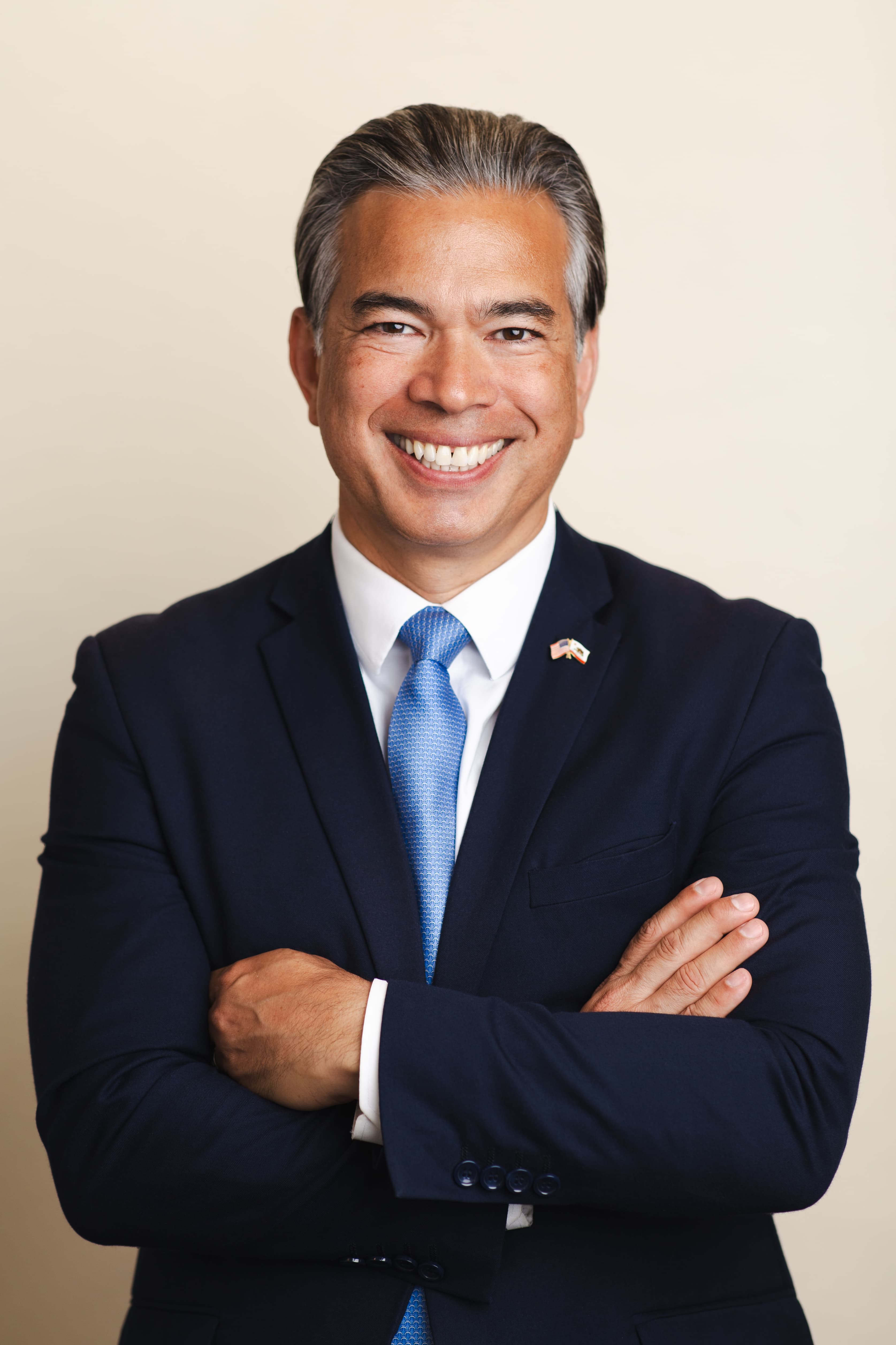
State
Rob Bonta
Attorney General · Democrat
Named 3 times in this story.
Portrait: Official portrait
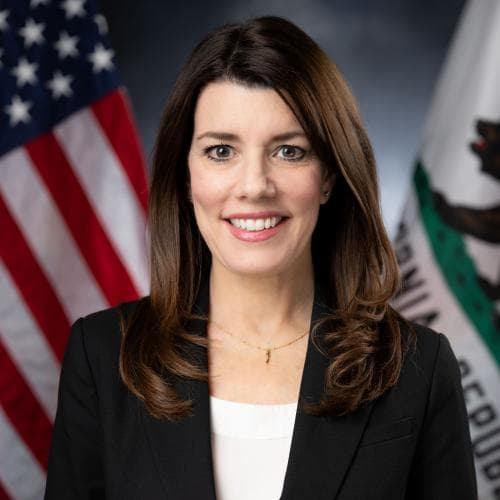
State
Catherine Stefani
State Assembly Member · Democrat
Named 2 times in this story.
Portrait: Official portrait
Sources & methodology
This report was written from the primary materials below. Links open at the original publisher.
California Attorney GeneralSee something we should correct? Read our corrections policy.