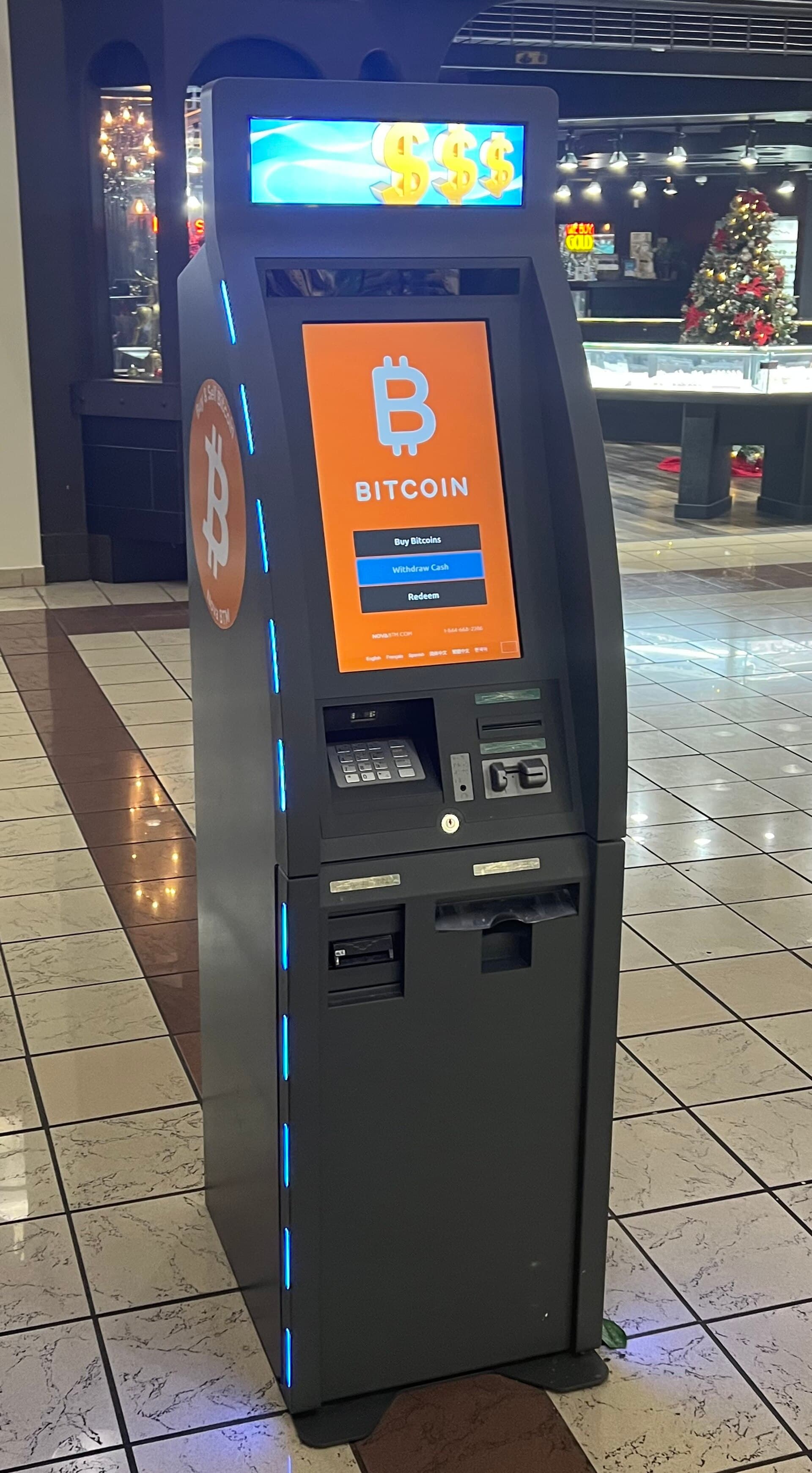
The California Department of Justice announced new resources and a state law meant to help victims recover stolen cryptocurrency; the office said Americans lost $20.9 billion to internet-based scams in 2025, with $11.4 billion of that tied to cryptocurrency.
The attorney general’s office said Senate Bill 1208, recently signed into law, lets law enforcement who seize digital assets under a search warrant ask a court to distribute those assets to victims when the funds are proceeds of, or used to facilitate, the underlying crime; the law covers situations where the assets have been commingled and where perpetrators are outside U.S. jurisdiction, and any undistributed assets will be deposited in the State Restitution Fund.
Attorney General warned that fraudsters are using new tools to speed and scale theft; he said, “Cryptocurrency fraud has rapidly become the nation's costliest cybercrime, with syndicates now weaponizing generative AI, deepfakes, and malicious smart contracts to drain digital wallets in minutes. I strongly urge all Californians to protect themselves and their loved ones: stay informed, guard yourself with knowledge, never use a Cryptocurrency ATM, and report it if you have been scammed.”
The department described common scams to watch for; they include sextortion, AI-driven impersonations, fake yield- or liquidity-mining platforms that require wallet connections, recovery-fraud schemes that target victims again, rug pulls in promoted tokens, and confidence scams that launder legitimacy through cloned platforms.
The office said it has shut down more than 100 fraudulent websites that together stole at least $8.3 million, including six fake Federal Bureau of Investigation sites, and that it investigated a case alleging an executor laundered cryptocurrency valued at over $4 million at the time of theft and worth $50 million today.
The department recommended practical steps to avoid being scammed: do not use cryptocurrency ATMs; pause before clicking or sending money and look for guarantees of large returns, token names that mimic well-known coins, or requests for payment in crypto; verify listings on coinmarketcap.com and credentials with FINRA’s BrokerCheck; and do not give account credentials or remote access to people you do not know. Victims can report scams at oag.ca.gov/report.
State
Rob Bonta
Attorney General · Democrat
Named 2 times in this story.
Portrait: Official portrait
Sources & methodology
This report was written from the primary materials below. Links open at the original publisher.
California Attorney GeneralSee something we should correct? Read our corrections policy.