
The governor’s office released the 2026 CARE Act Annual Report and county-reported data showing the CARE Act has reached more than 10,000 Californians through June 2026, the office said.
The state said the first CARE Act programs began in eight counties in 2023 and were fully implemented in all 58 counties by December 2024; through June 2026 the report shows more than 5,400 CARE petitions filed across 54 counties, 1,414 petitions resulting in voluntary CARE agreements, 56 in court-ordered CARE plans, and nearly 4,900 people referred to services outside the formal CARE Act process.
CARE is designed to connect people with untreated or undertreated schizophrenia and other psychotic disorders to voluntary supports ranging from behavioral health to housing, with a judge presiding over cases to monitor outcomes; individuals, family members, first responders, behavioral health professionals or eligible county staff may submit petitions to CARE Court.
The administration said targeted technical support through the CARE ICU program helped counties improve implementation; Fresno County doubled and Kern County tripled their number of petitions since last year, the report shows.
The state also launched the Behavioral Health Public County Profile to consolidate county-reported behavioral health data in one dashboard; DHCS Director Michelle Baass said, "The profile brings together complex data in a format that’s easy to understand, supporting more informed statewide and local conversations about how to advance behavioral health services."
The release notes California transitioned on July 1, 2026, from the Mental Health Services Act to the Behavioral Health Services Act, as approved by Proposition 1 in 2024, and that counties were required to file BHSA Integrated Plans laying out three-year roadmaps for behavioral health investments and services.
The administration called the early results encouraging but said implementation remains ongoing and longer-term outcomes will continue to be evaluated; Californians can use the new dashboard to compare county planning, funding, service delivery and performance, and policymakers can use it to inform oversight and future investments.
Deputy Public Defender Katia Benthale offered an on-the-ground measure of progress: "Success means this is the longest someone’s ever been sober," and "Success means this is the longest someone’s stayed out of custody," the report quotes. CRI-HELP CEO Brandon Fernandez said, "The forthcoming integration at the clinical level of substance use disorder and mental health services will absolutely stand to create better pathways into treatment services and improve clinical outcomes for individuals who are receiving treatment in all of our different levels of care, whether that be on the outpatient side, acute inpatient side, withdrawal management, or in our residential treatment settings." Governor wrote, "Knowledge is power, and we are far from powerless."
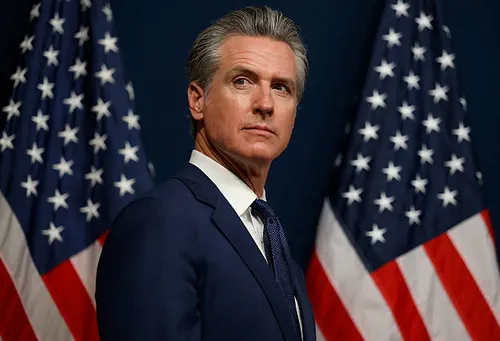
State
Gavin Newsom
Governor · Democrat
Named 2 times in this story.
Portrait: Official portrait
Sources & methodology
This report was written from the primary materials below. Links open at the original publisher.
Office of the Governor of CaliforniaSee something we should correct? Read our corrections policy.