The Federal Aviation Administration said Sunday that Friday's nationwide ground stop began after data flooded its FTI telecommunications network at a rate of 1,000 connection attempts every 4 to 5 seconds, making legacy equipment unstable and disrupting aircraft communications and radar feeds. The FAA said the technical problem hit at approximately 3:30 p.m. ET on Nov. 13 and that air traffic resumed as of 8:15 p.m. that day.
The agency said its initial investigation points to two locations, a radar site in Amarillo, Texas, and a radio communications site in El Dorado, Arkansas, where its network service provider L3Harris had been doing work that included deploying a new router. L3Harris blocked the two locations and the network stabilized, the FAA said, and as a precaution it disabled the same functionality on approximately 60 similar routers. The FAA said it has no indication that this was a cyberattack.
Instability began at 17 of the FAA's 22 Air Route Traffic Control Centers and spread into several Terminal Radar Approach Controls, the agency said. Approximately 3,500 aircraft in the air landed safely. Operators canceled approximately 12,462 flights on Friday, including 9,082 cancellations by major airlines, though the FAA said not all of them were directly caused by the ground stop.
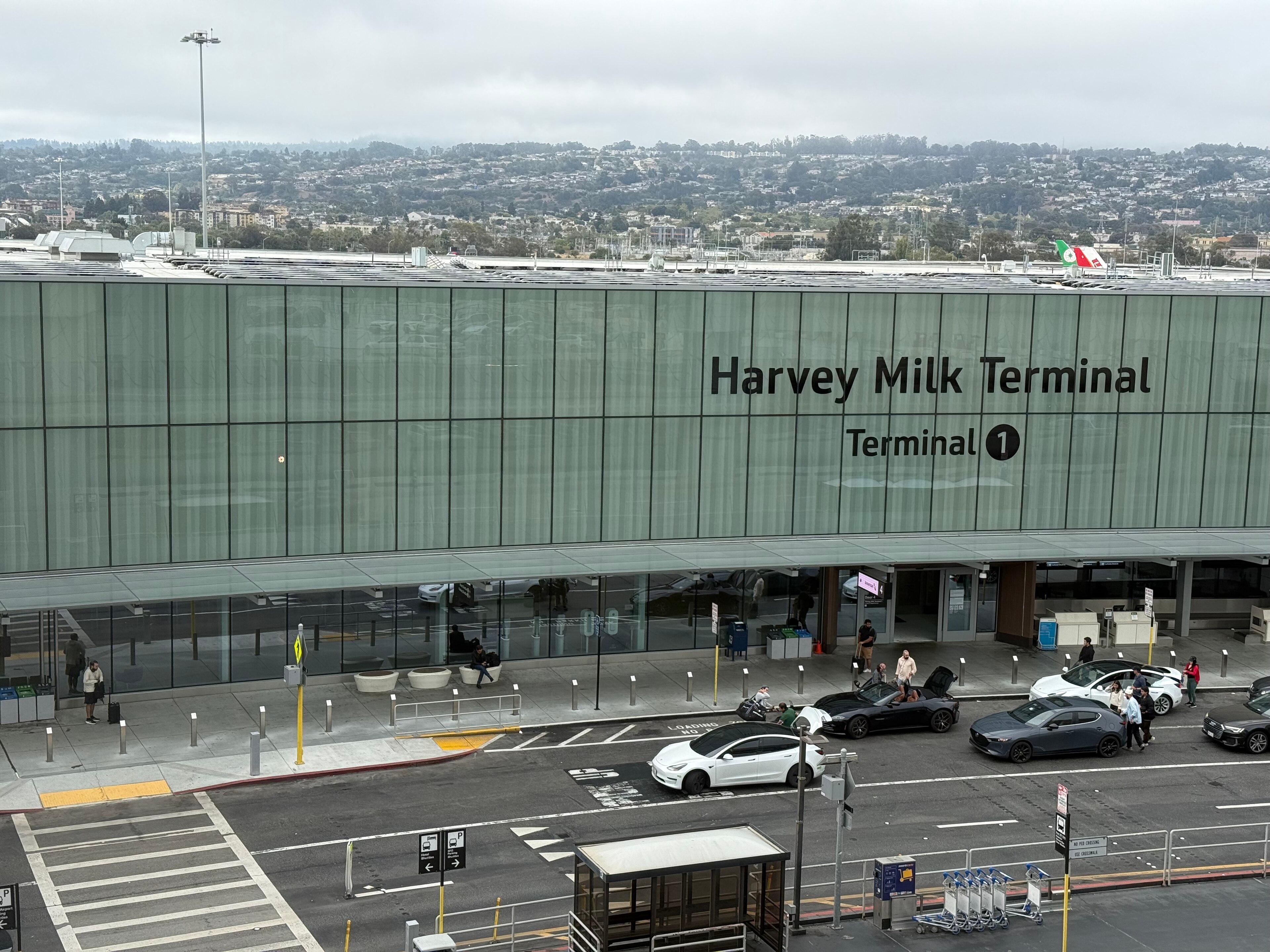
In the Bay Area, the stop left planes immobile at San Francisco International, Oakland San Francisco Bay and San José Mineta airports, which told KQED the FAA lifted it around 5:30 p.m. PST. More than 300 flights at SFO had been canceled as of 6:30 p.m. Friday, KQED reported. SFO spokesperson Doug Yakel told KQED around 3:30 p.m. that several flights bound for Hawaii and Asia were starting to depart, called the stop "unprecedented" and said it could take days for the backlog to resolve.
"Delays are expected to continue as airlines work to get their operations back on schedule," Ana Maria State, a spokesperson for San José Mineta airport, wrote to KQED after the stop was lifted. KQED reported that United said affected passengers can reschedule their flight and waive fees and fare differences.
The FAA said maintenance at major air traffic control facilities is typically done at night, when there is less traffic, and that Friday's disruption came from a routine replacement at a remote facility. Based on what happened Friday, the agency said, it will reevaluate when it does replacement and maintenance work.
Sources & methodology
This report was written from the primary materials below. Links open at the original publisher.
Federal Aviation Administration KQEDSee something we should correct? Read our corrections policy.