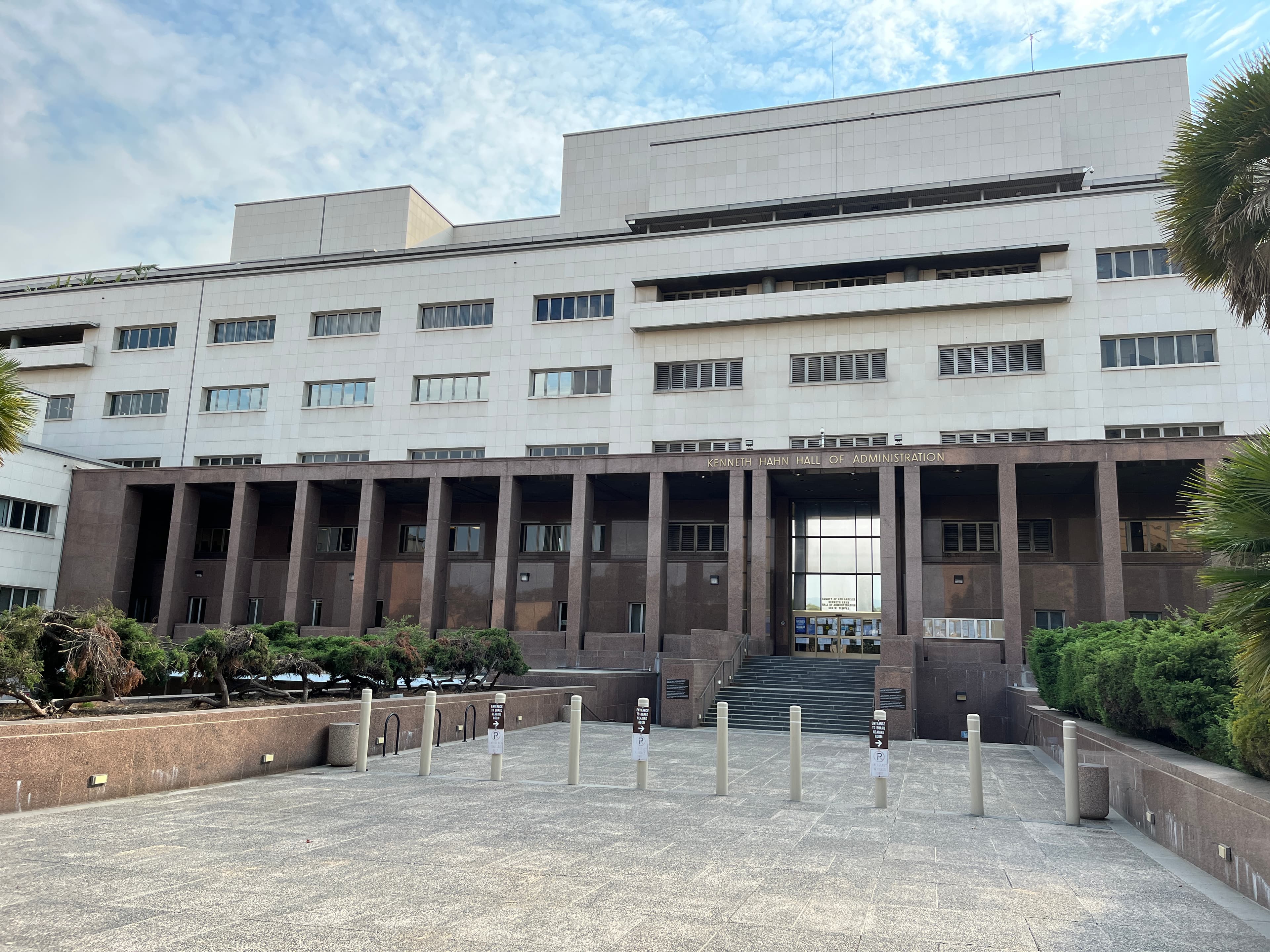
The Los Angeles County Aging & Disabilities Department, in partnership with the Department of Economic Opportunity, launched the Turn On Captions public education campaign on Oct. 1, 2026; the campaign supports a new county ordinance that requires closed captioning in places of public accommodation in unincorporated Los Angeles County beginning Jan. 1, 2027.
The Board of Supervisors approved the ordinance on Sept. 29, 2026, adding Chapter 11.67 to Title 11 of the Los Angeles County Code; the ordinance requires that televisions capable of displaying closed captions in public areas have captions activated during regular business hours, subject to the ordinance’s exceptions.
The ordinance lists covered places that include hotels and other lodging establishments, restaurants and cafeterias, theaters and other entertainment venues, sports arenas and stadiums, retail establishments, barber and beauty shops, medical facilities and government offices; when multiple televisions display the same channel, closed captioning is not required on more than one out of every five televisions, and the requirement does not apply if there is no television in a public area or if the television is incapable of displaying closed captioning.
The Turn On Captions campaign will provide educational information and resources, multilingual materials and outreach through community-based organizations and county channels; AD is leading public education while DEO is supporting business outreach to associations, chambers of commerce and other stakeholders, the county said.
Los Angeles County Supervisor said, “A simple step like turning on closed captions goes a long way in expanding access to information for everyone. It’s a small switch that can make a big difference for our Deaf and hard-of-hearing neighbors, English learners, neurodivergent residents, and any person who could use a little extra support with taking in what’s on the screen. LA County is helping our small businesses and community partners in our unincorporated communities get ready now for the January 1, 2027, start date. Join us in making our public spaces more welcoming and inclusive for everyone.”
Los Angeles County Commission on Disabilities Commissioner Michael Agyin, who initiated the effort, said, “Closed captioning turns spoken words, sound effects and emotional tones into clear visual text, providing greater accessibility and inclusion. It helps ensure that Deaf and hard-of-hearing viewers, as well as many others in L.A. County, can access and experience every story fully, independently and without missing important details. While closed captioning is necessary for some, it creates a better viewing experience for everyone.”
Maral V. Karaccusian, director of the Aging & Disabilities Department, said, “Turning on closed captions is a simple step that can make a meaningful difference in how people experience public spaces. Our goal with this campaign is to make accessibility part of the everyday experience of visiting a business, receiving a service, or spending time in a public space. We want people to know that access and inclusion are not separate from the way we serve our communities.”
Kelly LoBianco, director of the Los Angeles County Department of Economic Opportunity, said, “Accessibility and economic opportunity go hand in hand. Through the Turn On Captions campaign, we’re working to make sure businesses across unincorporated Los Angeles County have the information and support they need to understand these new requirements and prepare for implementation. Turning on captions is a simple action that can help businesses create more welcoming and accessible spaces for customers of all abilities, while strengthening the inclusive communities they serve.”
Local
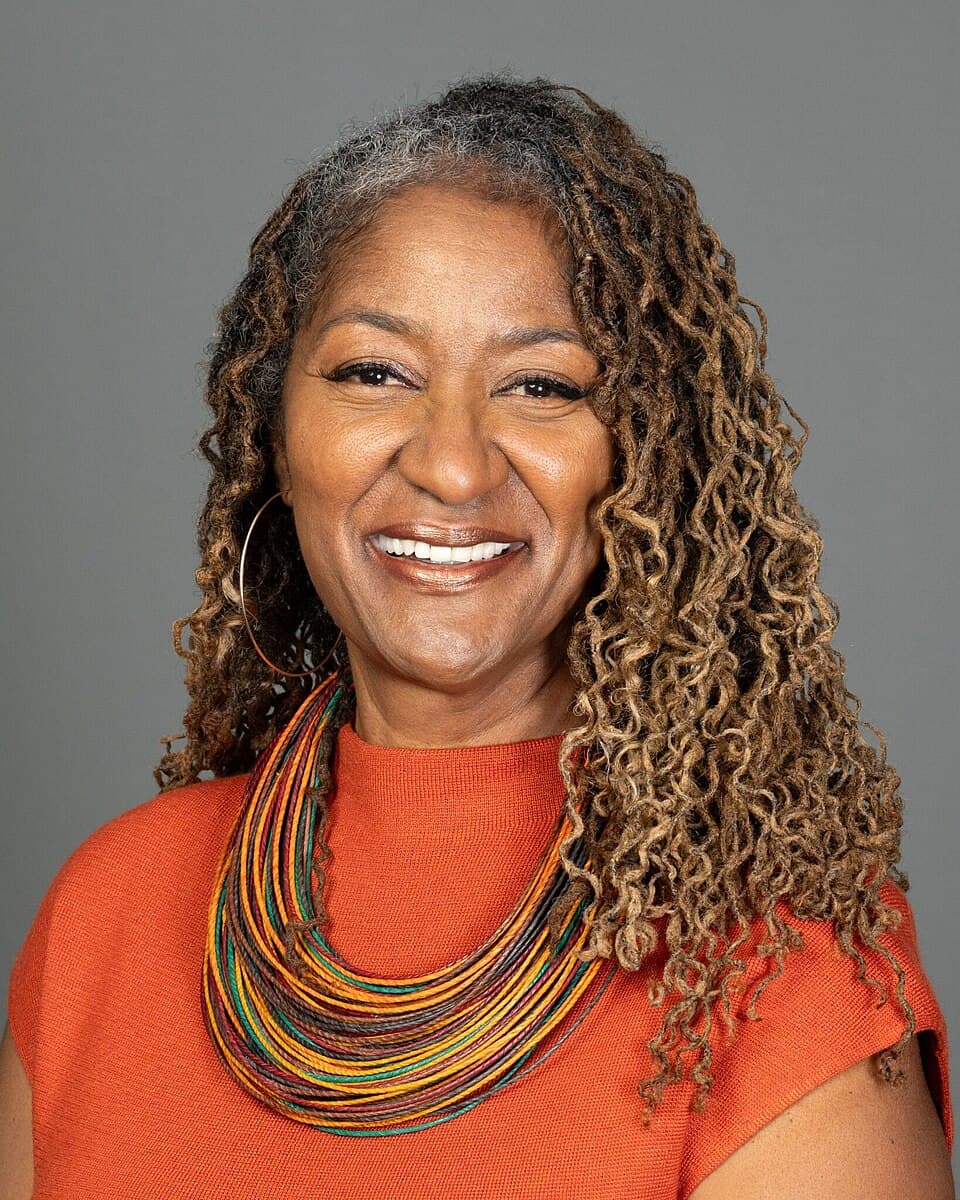
Holly J. Mitchell
Supervisor, Second District, Los Angeles County Board of Supervisors · Democrat
Named once in this story.
Portrait: Los Angeles County Board of Supervisors / Wikimedia Commons (Public domain)
Sources & methodology
This report was written from the primary materials below. Links open at the original publisher.
County of Los AngelesSee something we should correct? Read our corrections policy.