On Nov. 9, 2026, the governor’s office said nearly 12,000 Californians have connected to services through the CARE Act since statewide implementation in December 2024; the office said 11,912 people were reached and 6,531 petitions were filed across 56 counties.
The office tied the announcement to new data showing a two-year drop in homelessness; it said unsheltered homelessness has fallen about 13% since 2024.
The release listed outcome measures the administration says show CARE is producing results: the share of CARE participants living in housing rose from 53% to 71%; nearly half of people who entered CARE while unhoused are now sheltered or housed; 69% of participants entering from institutions moved into temporary or permanent housing; mental health service use rose from 77% to 87% and use of stabilizing medication rose from 47% to 61%; nearly six in 10 active participants are receiving medication, treatment and housing.
The governor’s office said CARE has shifted who files petitions; families filed most early on, and now system partners such as hospitals, clinicians and public guardians file about 61% of petitions; the office said petitions originating from people within the system are more likely to end in an agreement.
The office said ten counties were placed in a “Care ICU” for low petition rates and that most of those counties are now above the statewide petition-filing average after intensive technical assistance; the release singled out Fresno and Kern counties for major increases, saying Fresno doubled and Kern tripled petition counts since last year.
The announcement also highlighted work funded by Proposition 1 and other state spending; the office said the first Prop 1-funded behavioral health center is delivering 102% of promised inpatient beds and 104% of promised outpatient slots in under two years, and that California has awarded $6.1 billion to support 535 new facilities, 9,570 beds and 44,863 treatment slots.
Governor attended the CARE Act Implementation Convening and said, “Not everyone needs a court, but everyone deserves to be served.”
County behavioral health providers, service providers, judges, court staff, public defenders, public guardians and representatives from NAMI, the California Behavioral Health Directors Association, the Judicial Council of California, the State Bar of California, the California Department of Corrections and Rehabilitation and the California Department of State Hospitals attended the convening, the office said.
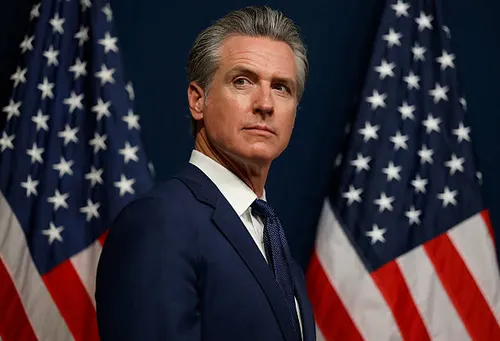
State
Gavin Newsom
Governor · Democrat
Named 2 times in this story.
Portrait: Official portrait
Sources & methodology
This report was written from the primary materials below. Links open at the original publisher.
Office of the Governor of CaliforniaSee something we should correct? Read our corrections policy.