
Observed: Governor signed a package of bipartisan legislation intended to strengthen protections for children interacting with chatbots and social media, the Office of the Governor said in a Sept. 10 press release.
Source claim: The release states the new laws will create “the nation’s strongest companion chatbot regulations,” ban addictive features such as autoplay and algorithmic feeds based on user history and profile, and protect children from targeted advertising, online exploitation and abuse.
Observed: The press release lists specific bills included in the package or discussed by supporters: AB 1709, AB 2, AB 1159, AB 2071, AB 2298, SB 1276, SB 867, SB 1119 (referred to as Adam’s Law), and AB 1946.
Observed: The release quotes national and state figures and advocacy groups praising the legislation. Examples in the release include Hillary Rodham Clinton, Assemblymembers , , , and ; Senators , and ; and leaders of advocacy organizations such as the Organization for Social Media Safety, Children Now, Common Sense Media and the Children’s Advocacy Institute.
Source claim (paraphrased from quoted material): Supporters in the release characterize the bills as a model for other states, as prevention-rooted protections for families, and as measures that will hold tech companies accountable for harms to children. Several speakers tied the bills to goals such as expanding digital-wellness instruction in schools, strengthening data-privacy protections for students, building cybersecurity skills for pupils, and improving laws to confront online child exploitation.
Observed: The release identifies AB 1709 as restricting addictive design features for users under 16 and says the Organization for Social Media Safety sponsored that bill. It identifies SB 1119 as “Adam’s Law” and SB 867 as an AI toy moratorium. It connects AB 2071 to plans for public schools to expand digital-wellness instruction and AB 1159 to protections for students from pre-K through university.
Analysis/inference: If implemented as described in the release, the measures would change product design incentives for platforms, add school-based digital-wellness requirements and expand statutory tools to pursue online exploitation. The release presents these outcomes as the intended practical effects.
What is not stated in the release: enforcement mechanisms, timelines for implementation, regulatory agency responsibilities, specific penalties for violations, and how the statutes will define contested terms such as “companion chatbot,” “addictive features” or the age cutoffs in practice. The release also does not address potential legal challenges or how federal law might interact with the new state rules.
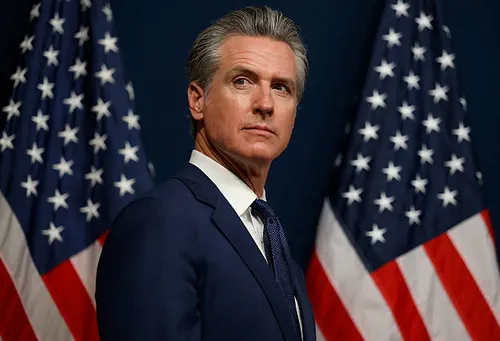
State
Gavin Newsom
Governor · Democrat
Named 2 times in this story.
Portrait: Official portrait
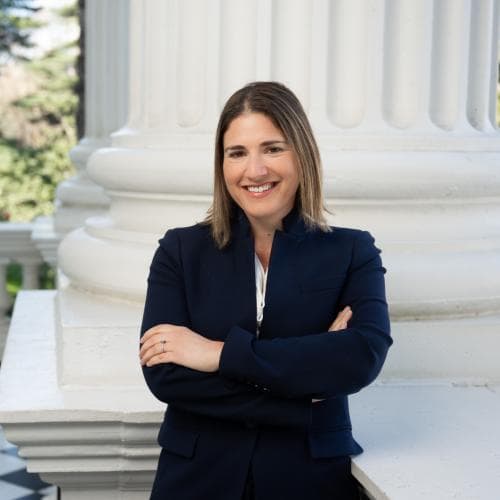
State
Rebecca Bauer-Kahan
State Assembly Member · Democrat
Named once in this story.
Portrait: Official portrait
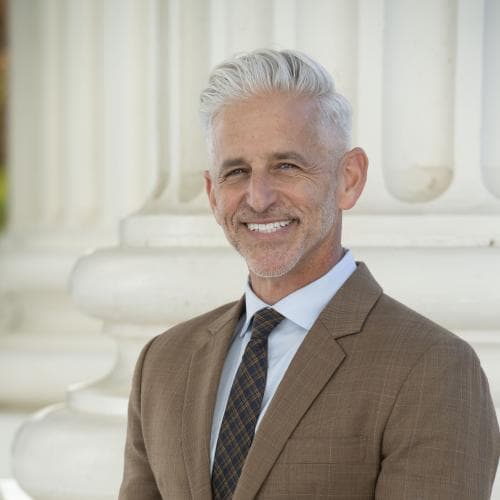
State
Josh Lowenthal
State Assembly Member · Democrat
Named once in this story.
Portrait: Official portrait
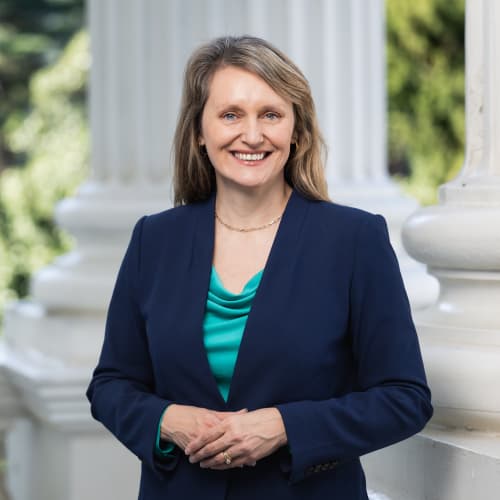
State
Buffy Wicks
State Assembly Member · Democrat
Named once in this story.
Portrait: Official portrait
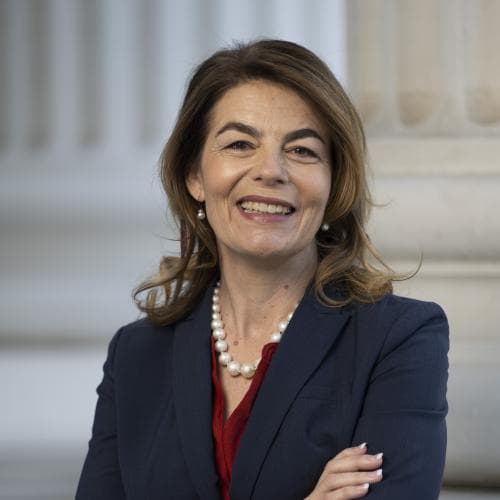
State
Dawn Addis
State Assembly Member · Democrat
Named once in this story.
Portrait: Official portrait
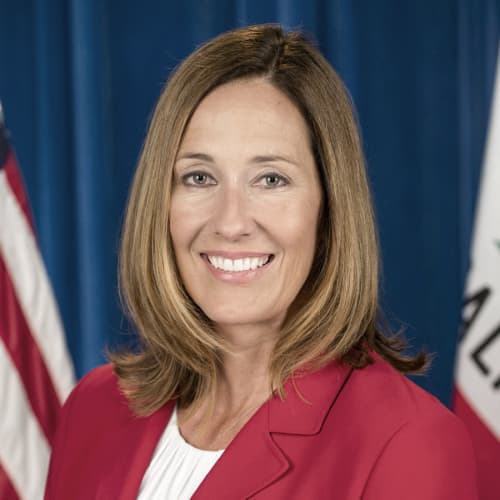
State
Jacqui Irwin
State Assembly Member · Democrat
Named once in this story.
Portrait: Official portrait
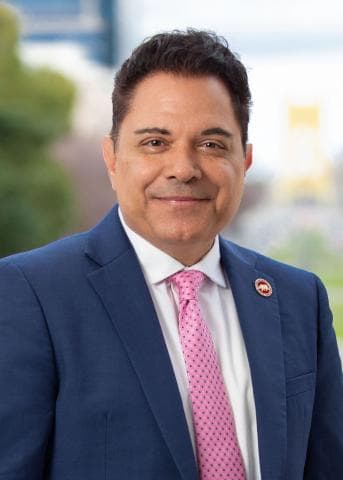
State
Steve Padilla
State Senator · Democrat
Named once in this story.
Portrait: Official portrait
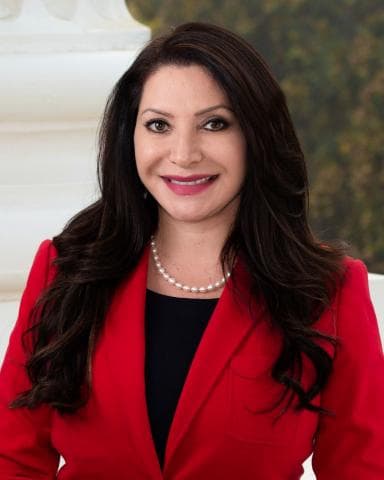
State
Susan Rubio
State Senator · Democrat
Named once in this story.
Portrait: Official portrait

State
Henry Stern
State Senator · Democrat
Named once in this story.
Portrait: Official portrait
Sources & methodology
This report was written from the primary materials below. Links open at the original publisher.
Office of the Governor of CaliforniaSee something we should correct? Read our corrections policy.