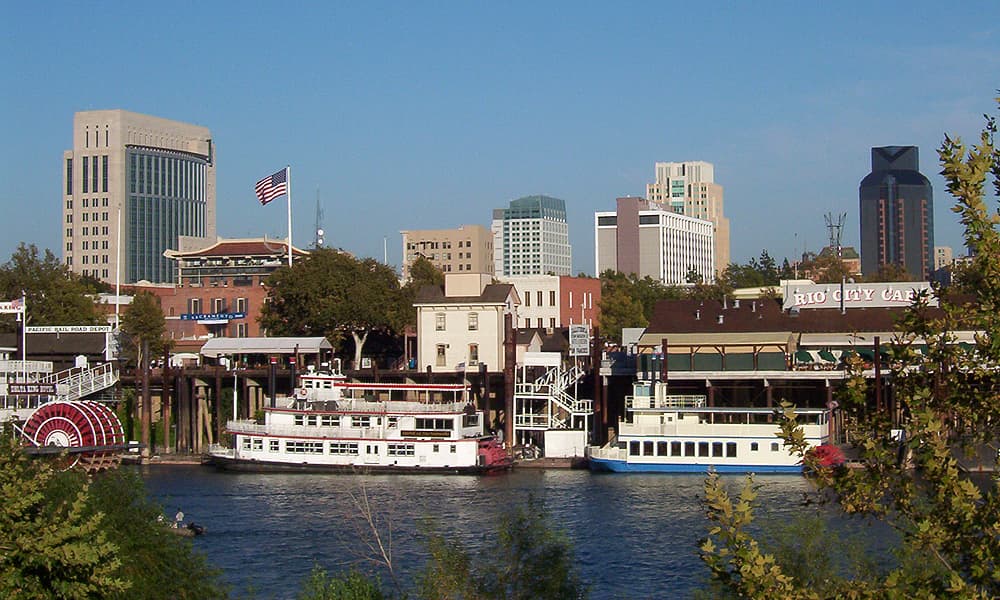
Phase 1 of the California Indian Heritage Center opened to the public in West Sacramento, the Newsom administration said. The new welcome center sits on a 51-acre property at the confluence of the American and Sacramento Rivers and includes a large interpretive shade structure, seating and gathering spaces, trails, walkways and interpretive exhibits.
Visitors can use the welcome center parking area Wednesday through Sunday from 10 a.m. to 5 p.m.; admission for California tribal members is free and public parking costs $6, the administration said. The Newsom administration posted caindianheritagecenter.org for project updates.
The site is the same land where the governor issued a formal apology to tribes in 2019, and the administration said nearly eight years of tribal engagement guided the center’s design and programming. California committed $100 million to the project in the 2018–19 budget and authorized another $100 million through fundraising, the announcement said.
Adeline Yee of California State Parks told The Golden Coast Journal on Nov. 17 that, at this time, Phase 2 is only funded through the state. The next phase of construction for the California Indian Heritage Center is anticipated to begin in late 2030, she said. State Parks did not say how much of the additional $100 million authorized through fundraising has been raised.
Yocha Dehe Wintun Nation Chairman Anthony Roberts said, "The California Indian Heritage Center represents an important step toward honoring the histories, cultures and living traditions of California’s Native peoples." Wilton Rancheria Chairman Jesus Tarango said the center "creates a place to share our traditions, languages, and stories, connect Native communities, and let visitors learn about the living cultures that have shaped California for generations."
The Newsom administration listed several related outcomes it says reflect strengthened tribal partnerships: it created a California Truth & Healing Council with a report and recommendations coming this year; supported the return of almost 40,000 acres of ancestral land to tribes; adopted a Tribal Stewardship Policy that sets a goal to expand tribal stewardship for at least 7.5 million acres of land and coastal waters; established a $100 million grant program for tribally led nature-based solutions; completed the largest dam removal in U.S. history and restored 400 miles of the Klamath River; and released a Native American Studies Model Curriculum developed with tribes and educators.
Sources & methodology
This report was written from the primary materials below. Links open at the original publisher.
Office of the Governor of CaliforniaSee something we should correct? Read our corrections policy.