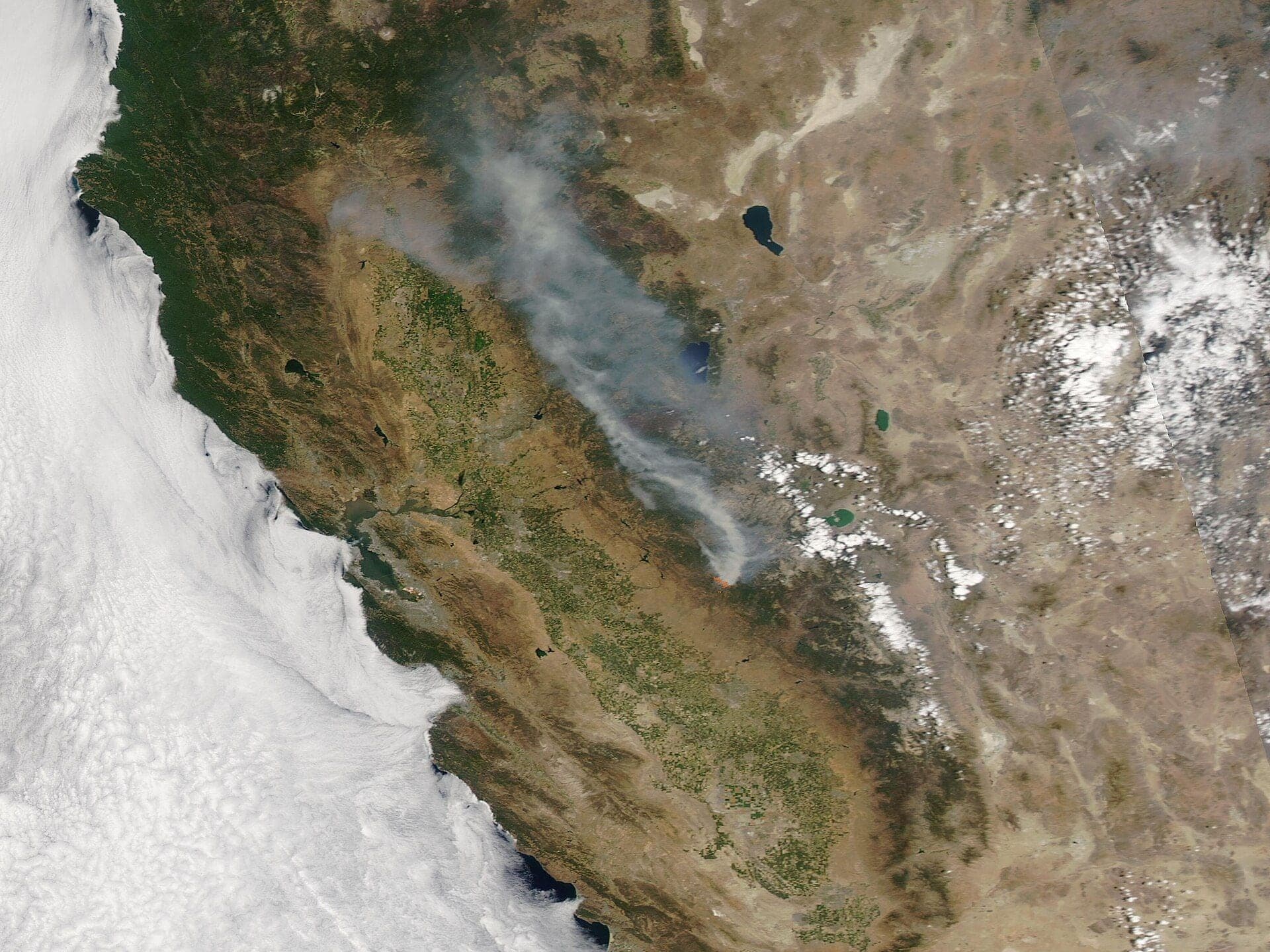
Observed: The Office of the Governor posted a report on Sep 24, 2026, and Governor highlighted it at Climate Week NYC; the document summarizes five years of state-funded wildfire and forest-health work and provides project-level totals and estimates.
Source claim: The report says California awarded more than 660 grants and completed 316 fuel-reduction projects; the state treated more than 233,000 acres and reduced the likelihood of high-severity wildfire across nearly 150,000 acres.
Source claim: The report estimates Forest Health Grants will avoid about 11.1 million metric tons of carbon dioxide equivalent over the grants’ lifetimes; it also says more than 60% of treatments will benefit high-biodiversity areas.
Source claim: The state reports more than 400 planning, fuel-reduction and public-education projects across 51 counties; it reports training for more than 900 forest and wildland fire professionals through 13 grants and additional workforce grants to community colleges and school districts.
Observed examples cited by the report: -funded thinning near Cohasset reduced fire intensity during the 2024 Park Fire, which the report says allowed firefighters time to protect homes and speed evacuations; a Highway 44 project in Shasta County treated over 1,000 acres, and a fire that started in the treated area in 2024 burned an area the report describes as roughly 10 by 10 feet.
Source claim: The report attributes the work in part to funding authorized by SB 901; it also cites program activity through the California Conservation Corps, which it says completed more than 100 projects through 2024 with training in about half of them, and notes over 700,000 seedlings planted at Boggs Demonstration State Forest over 11 years.
Quote: , California Secretary for Natural Resources, is quoted saying the investments are delivering "safer communities, healthier forests, cleaner air and more jobs." The report also quotes CAL FIRE Director and Fire Chief on measurable results from SB 901-funded work.
Analysis: The report provides measurable outputs; acreage treated, number of grants and training slots are concrete program metrics reported by the state. Those figures document increased activity and resources directed at fuels management and workforce development; they do not on their own prove long-term reductions in statewide wildfire losses or air pollution without independent verification and outcome-level monitoring over time. The carbon-avoidance figure is an estimate; the report does not publish the full modeling assumptions in the press release version, so the magnitude and permanence of the claimed 11.1 million metric tons CO2e avoided depend on modeling choices and future conditions, including maintenance and climate-driven fire behavior changes.
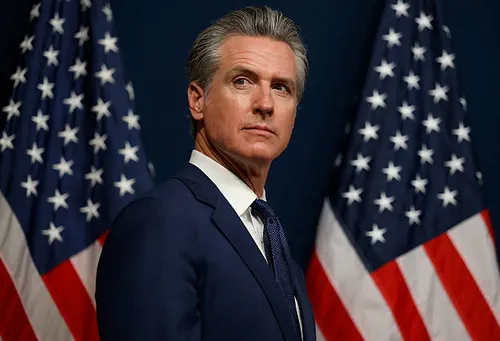
State
Gavin Newsom
Governor · Democrat
Named once in this story.
Portrait: Official portrait
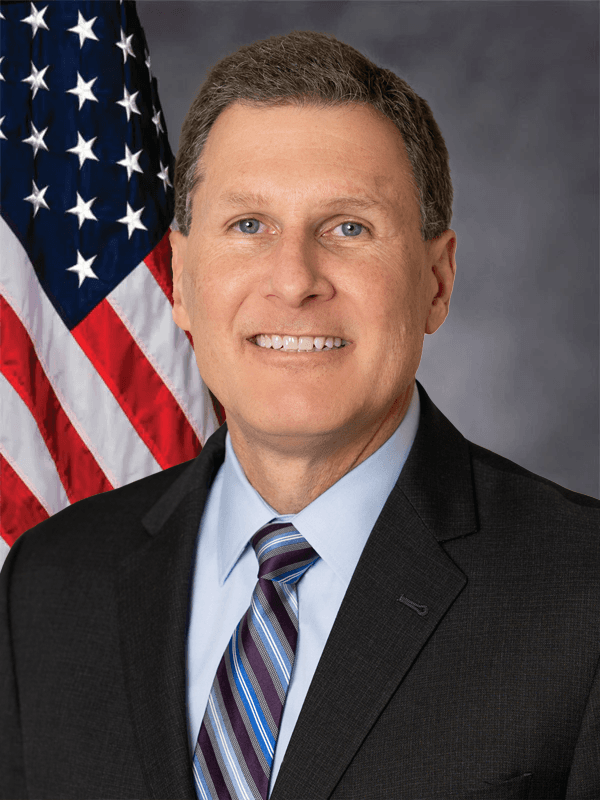
Federal
Eric Grant
U.S. Attorney, Eastern District of California
Named once in this story.
Portrait: United States Department of Justice / Wikimedia Commons (Public domain)

State
Wade Crowfoot
Secretary for Natural Resources
Named once in this story.
Portrait: Region 5 Photography, USDA Forest Service / Wikimedia Commons (public domain)
State
Joe Tyler
Director and Fire Chief, CAL FIRE
Named once in this story.
Sources & methodology
This report was written from the primary materials below. Links open at the original publisher.
Office of the Governor of CaliforniaSee something we should correct? Read our corrections policy.