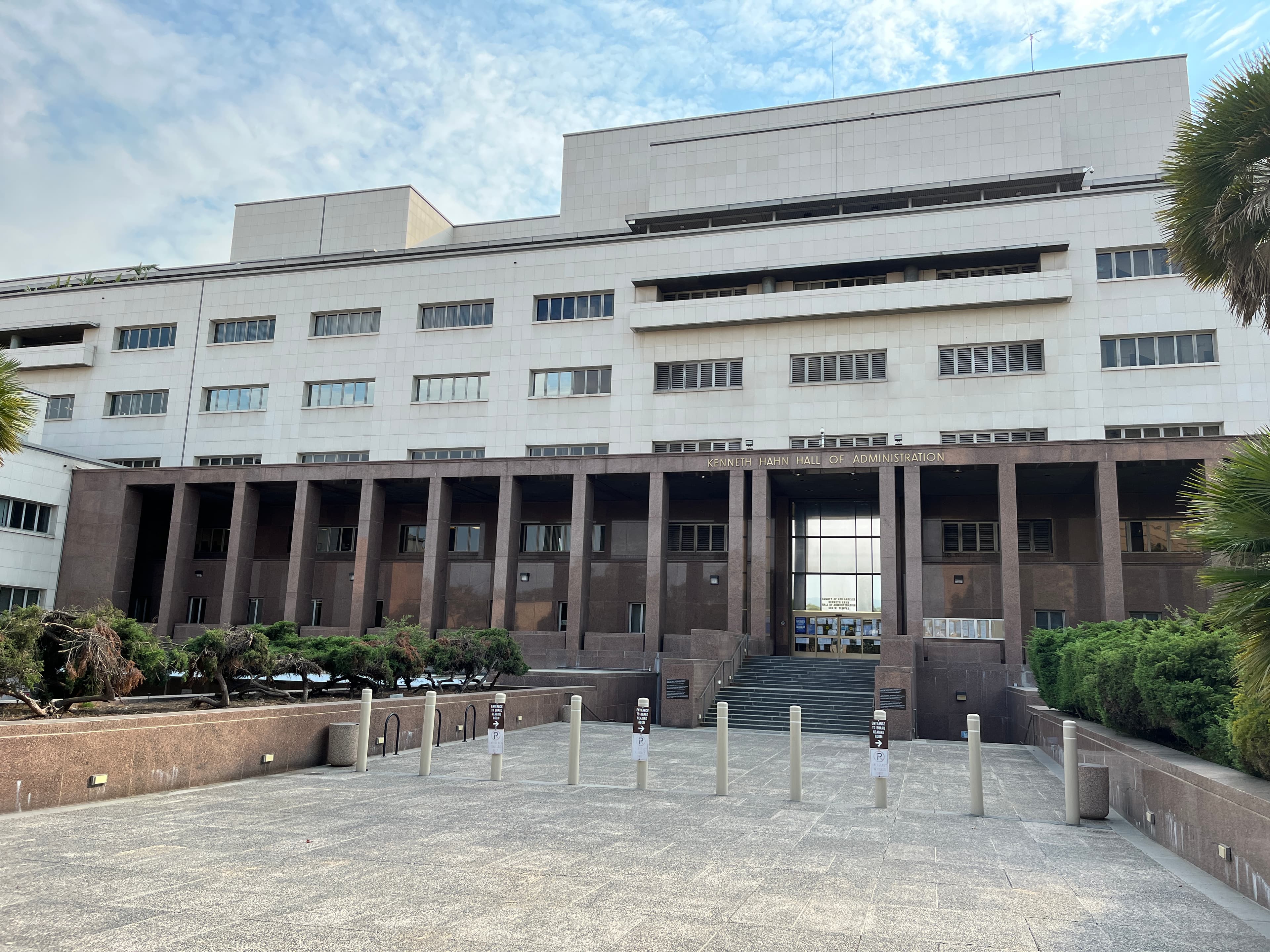
The California Department of Health Care Services released its 2026 Community Assistance, Recovery and Empowerment (CARE) Act Annual Report; the Los Angeles County Department of Mental Health summarized the report’s findings in a county release. The report and the county’s summary focus on early implementation steps and outcomes for CARE in Los Angeles County.
The state report shows 1,172 CARE Act petitions were filed in Los Angeles County as of July 2026; LACDMH said it has trained 133 community partners to expand referral capacity, including first responders, National Alliance on Mental Illness chapters, hospital systems and community-based behavioral health clinics.
The county described a linkage model that connects people to voluntary behavioral health services before a formal court petition is dismissed; the state report shows that more than 43% of 162 dismissed CARE participants in Los Angeles County were connected to services and supports, compared with a 27.9% connection rate for 689 dismissed participants statewide.
The state commended Los Angeles County’s housing strategies; the report cites flexible, service‑rich approaches such as repurposing existing housing, converting local hotels and expanding residential care programs to support participants who need a stable living environment.
LACDMH said more than two dozen individuals have graduated from the county’s CARE Court and nearly 50 participants have voluntarily extended their CARE agreements; the department described those figures as early evidence the program is connecting people with complex clinical and housing needs to supports.
“One of the most rewarding parts of this work is seeing what happens when someone gets connected to the support they need,” said Martin Jones, County‑wide Manager over LACDMH’s CARE Court, in the county release. LACDMH Director Lisa H. Wong, Psy.D., said the report "reinforces what Los Angeles County is working to build through CARE" and described the department’s work as focused on helping clients navigate the system and tailoring housing and clinical supports to individual needs.
The county acknowledged the work is far from complete and said it is refining CARE implementation, including improving field-based engagement and expanding access for diverse populations. For readers: the report is an early implementation assessment, not a long-term outcomes study; the state and county numbers above come from the CARE Act annual report and the county’s summary.
Sources & methodology
This report was written from the primary materials below. Links open at the original publisher.
County of Los AngelesSee something we should correct? Read our corrections policy.