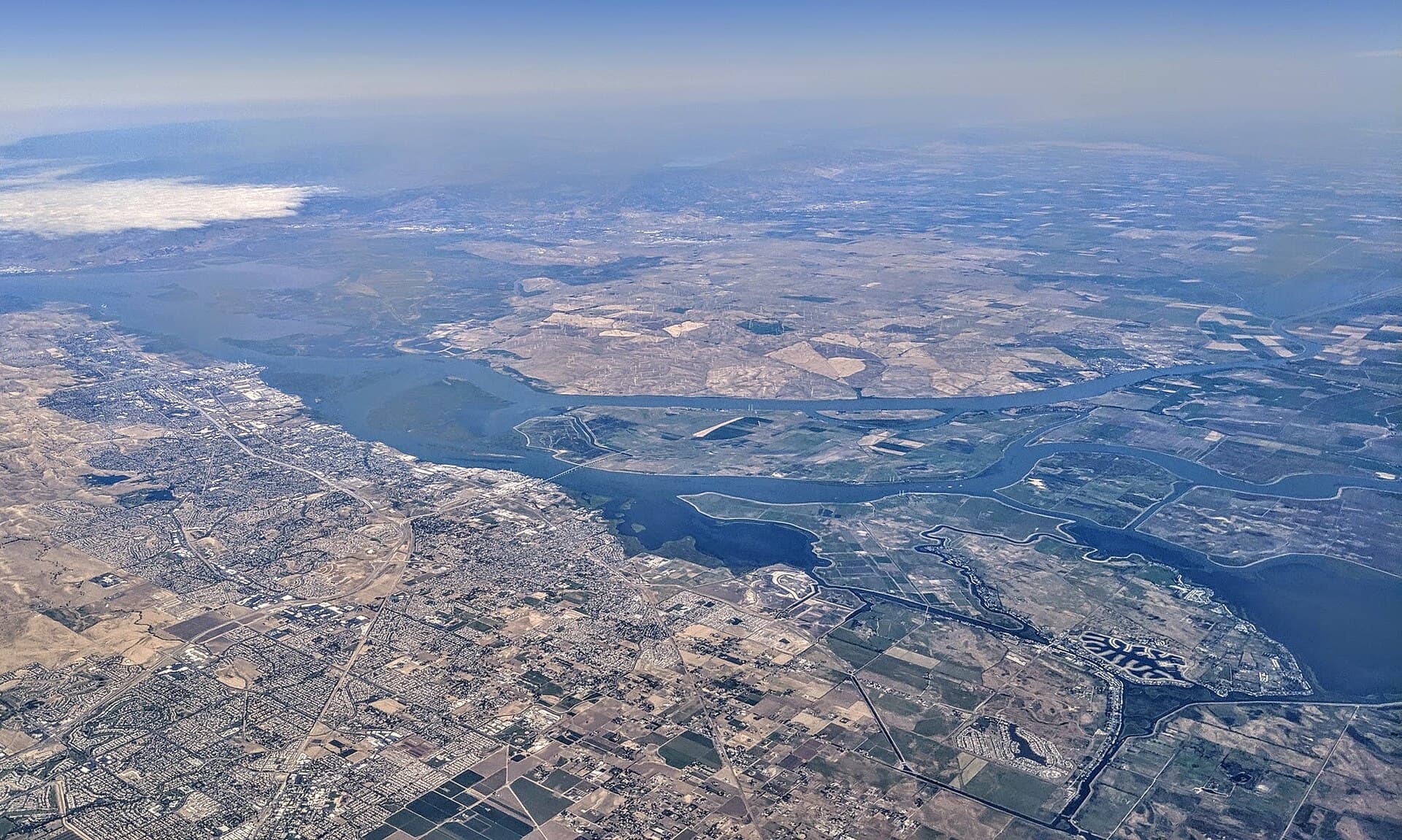
The governor’s office said the State Water Resources Control Board adopted an update to the Bay-Delta Plan that incorporates the governor’s Healthy Rivers and Landscapes Program.
The plan is the first major update to Sacramento/Delta protections since 1995, the governor’s office said; it pairs river flows with large-scale habitat restoration and enforceable requirements to protect the rivers that supply nearly 30 million Californians and 4 million acres of farmland.
Under the adopted framework, water users can meet environmental requirements through two pathways; the Healthy Rivers and Landscapes pathway is voluntary and combines flow contributions with habitat projects, while a traditional regulatory pathway focuses primarily on maintaining flows.
The governor’s office said participation in the voluntary pathway is held to binding commitments; flow contributions must be publicly accounted and restoration projects must meet construction milestones, and a dedicated science program will provide monitoring, annual reporting and triennial board review.
The update promotes more than 27,000 acres of aquatic restoration and reflects $2.9 billion in funding commitments the governor’s office said; early investments the release cites include a $360 million Instream Flow Water Purchase Program, the Tide’s End tidal and floodplain project, Little Egbert Tract, Prospect Island and the Sunset Weir and Pumps Fish Passage Project.
The governor’s office said the board’s decision now goes to the Office of Administrative Law for approval; board staff will release a draft implementation methodology within one year, develop implementing regulations within two years, and implementation of the Healthy Rivers and Landscapes voluntary pathway must begin no later than Oct. 1, 2027.
California Secretary for Natural Resources is quoted in the release saying the framework will improve conditions for fish and wildlife while stabilizing future water supplies for communities across the state; State Water Board Chair is quoted saying the plan gives officials the monitoring and data tools they need for the 21st century.
The update aims to protect both river ecosystems and water supplies by letting local water agencies and landowners pair flow contributions with restoration projects; whether the approach succeeds will depend on the enforceable commitments, the promised monitoring and the board’s triennial reviews, the governor’s office said.
State
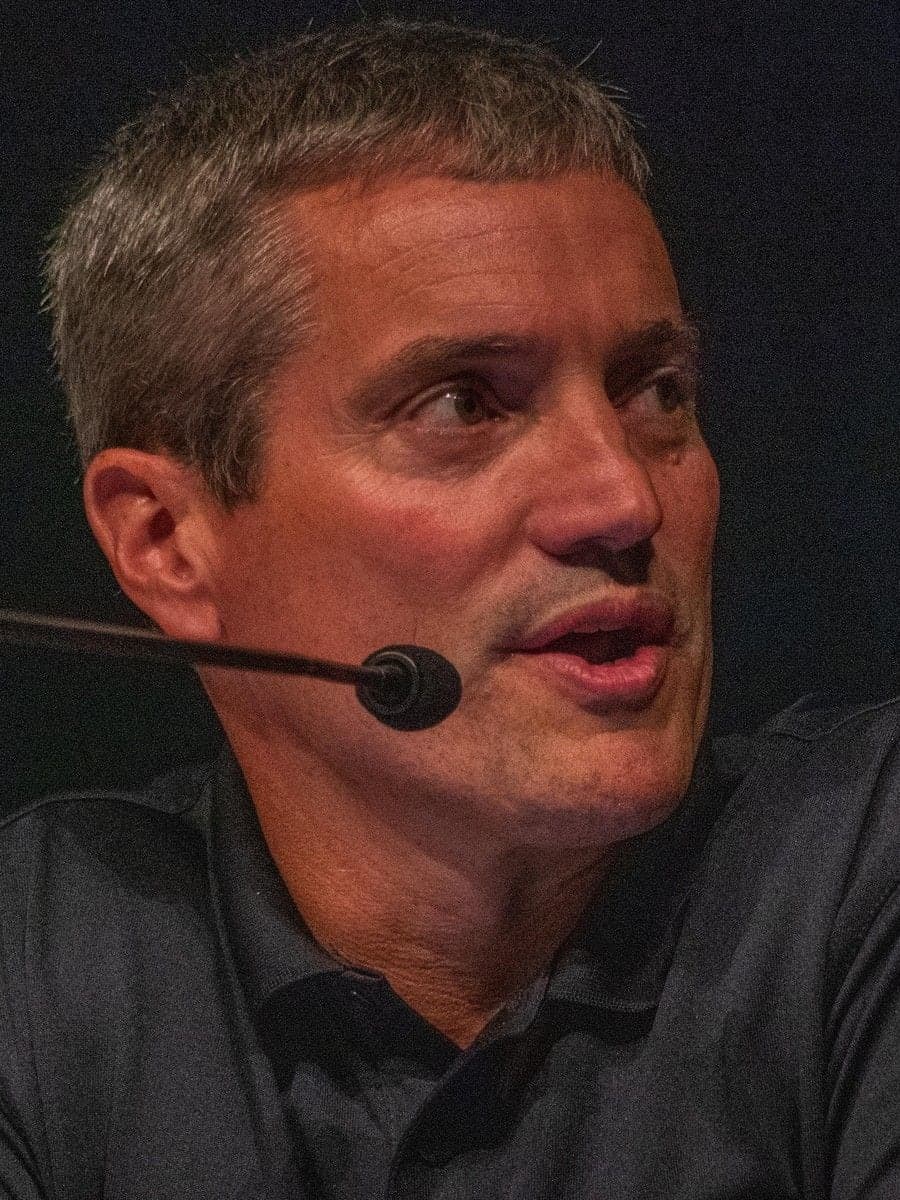
Wade Crowfoot
Secretary for Natural Resources
Named once in this story.
Portrait: Region 5 Photography, USDA Forest Service / Wikimedia Commons (public domain)
State
E. Joaquin Esquivel
Chair, State Water Resources Control Board
Named once in this story.
Sources & methodology
This report was written from the primary materials below. Links open at the original publisher.
Office of the Governor of CaliforniaSee something we should correct? Read our corrections policy.