Two Los Angeles County streams in the San Gabriel Mountains now carry the state's special trout designations, while a long stretch of Ventura County's Sespe Creek lost one, after votes at the California Fish and Game Commission's October meeting in Sacramento, the California Department of Fish and Wildlife said Oct. 23.
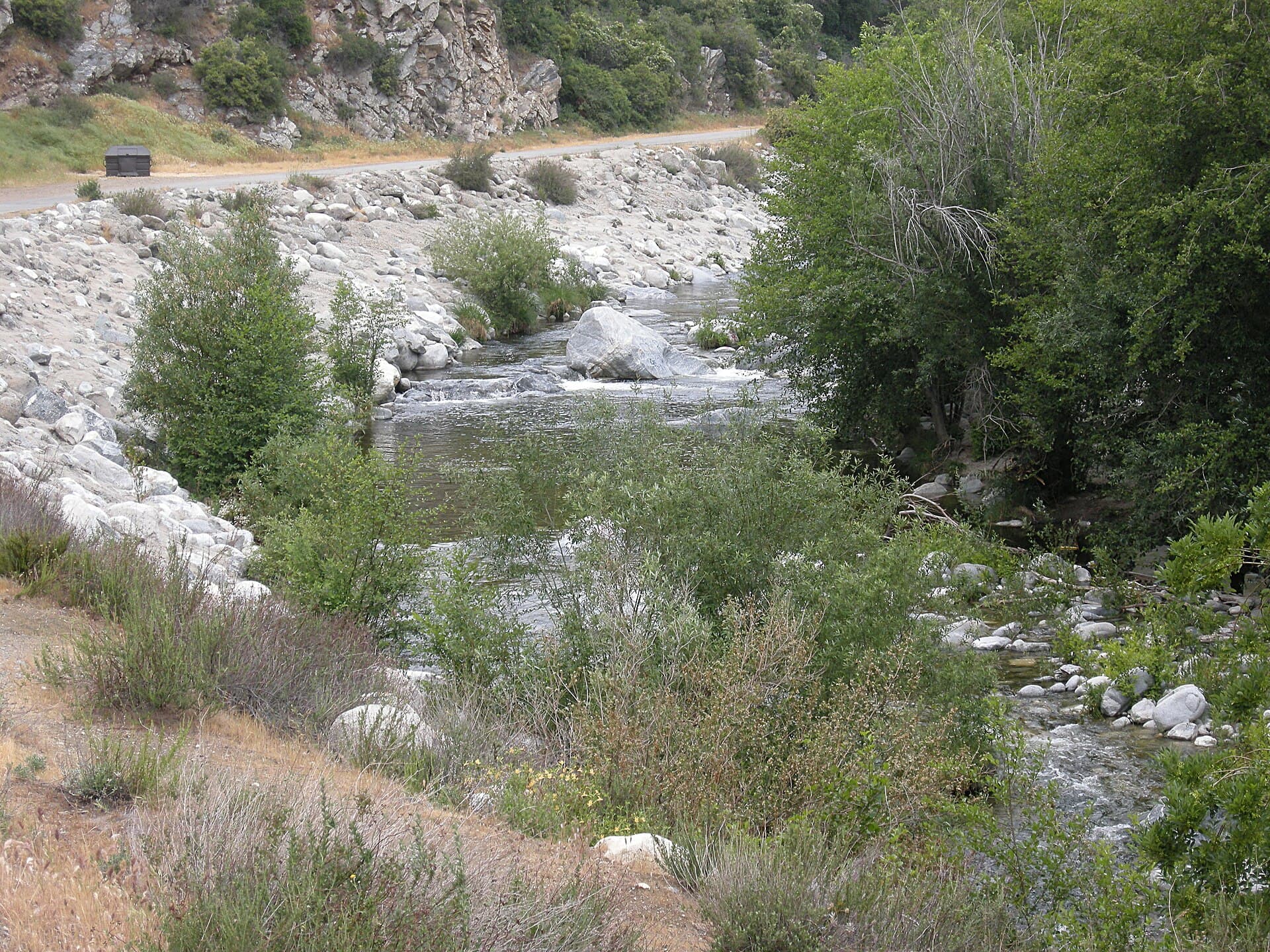
The commission designated approximately 29 miles of the West Fork San Gabriel River, including Bear Creek, as a Heritage Trout Water, and approximately 3 miles of Arroyo Seco upstream of Devil's Gate Dam as a Wild Trout Water, according to CDFW.
The commission also removed the Wild Trout Water designation for approximately 25 miles of Sespe Creek in Ventura County, and modified the Fall River Complex Wild Trout Water in Shasta County by removing Fall River Pond and Fall River Lake. The CDFW summary did not give a reason for either change.
The two labels mean different things. A Heritage Trout designation requires a water to sustain a population of native trout within the historic range of the species. Wild Trout Waters support self-sustaining populations of non-native or native trout outside their historic range and give anglers a chance to catch wild trout in a way that promotes conservation, CDFW said. Stocking of hatchery-origin trout is restricted in designated waters, and fishing rules are meant to let trout populations sustain themselves through natural reproduction.
At the same meeting, the commission named the Mount Pinos sooty grouse and veiny monardella, a plant found only in specific areas of Butte and Tuolumne counties, as candidates for listing under the California Endangered Species Act. The Mount Pinos sooty grouse, the southernmost of California's three grouse subspecies, historically lived in the southern Sierra Nevada from Fresno County to Kern County and in the mountains of Ventura County. CDFW said it is no longer found in Ventura County and its population is estimated at between 2,287 and 13,938 birds. CDFW will conduct a one-year status review of both species before the commission makes a final listing decision.
The commission's next regular meeting is Dec. 15-16 at the East End Complex auditorium, 1500 Capitol Ave., in Sacramento. A discussion hearing on changing the minimum size limit in the recreational white seabass fishery is set for that meeting, with an adoption hearing scheduled for Feb. 10-11, 2027.
Sources & methodology
This report was written from the primary materials below. Links open at the original publisher.
California Department of Fish and WildlifeSee something we should correct? Read our corrections policy.