Observed fact: The California Air Resources Board’s 2024 statewide greenhouse gas inventory, released September 21, 2026, shows a 3.9% reduction in statewide greenhouse gas emissions for 2024 while the state’s gross state product grew 3.2%; the Office of the Governor announced the data.
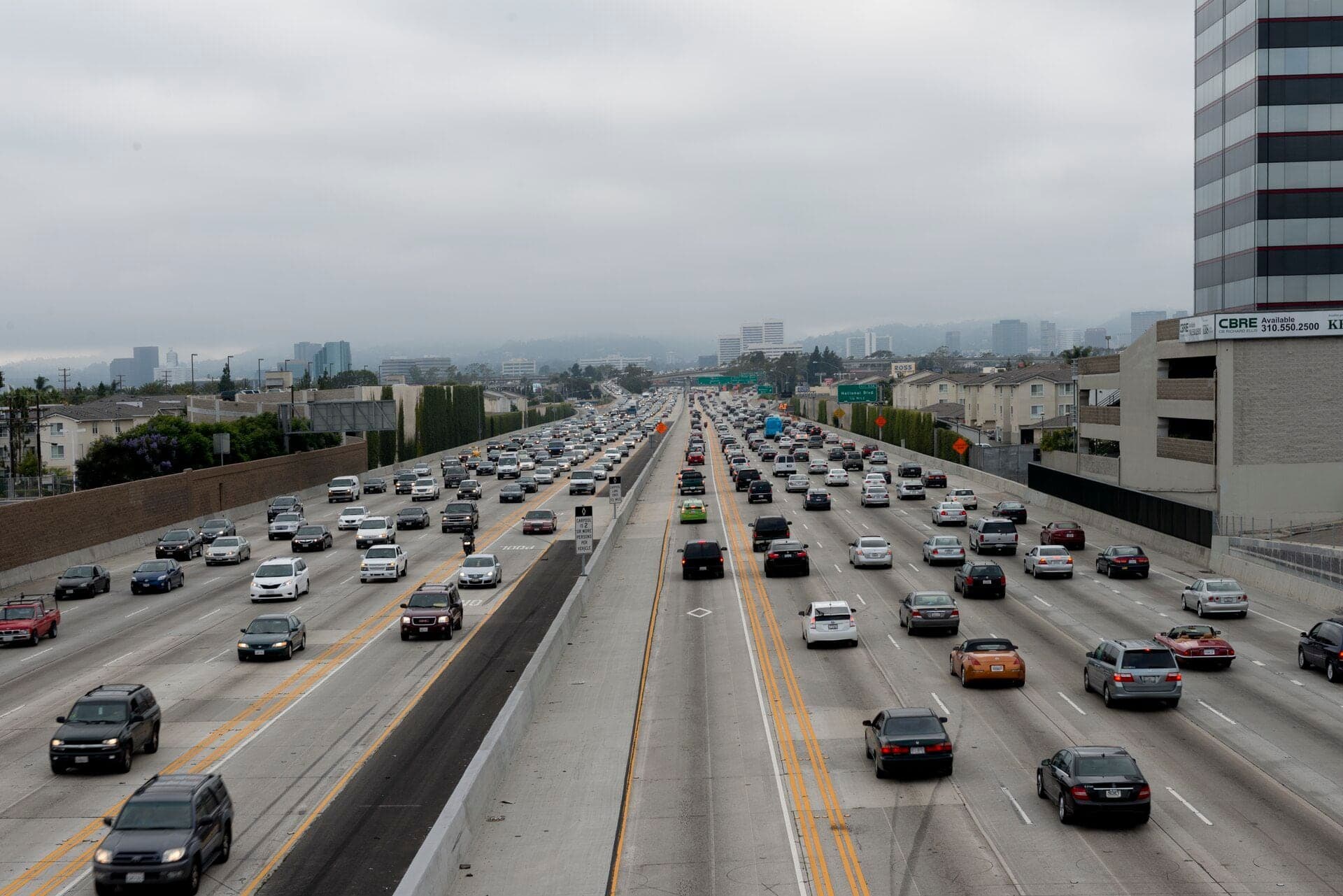
Observed fact: The inventory reports overall emissions are 28% below their 2004 peak; the governor’s office converts the 2024 reduction into an informal metric, saying it is equivalent to removing more than 3.2 million gasoline-powered cars from California roads for one year.
Source claim: Governor Gavin Newsom framed the data as proof California can build the clean-energy economy and cut pollution at the same time; the release contrasts the state’s approach with federal policy under Donald Trump.
Observed fact: The state release lists drivers of the 2024 reductions across sectors; transportation had the largest absolute decrease, the power sector reduced emissions despite higher total generation, and industrial, agricultural, commercial and residential emissions also declined; those sectoral descriptions are summarized from CARB’s inventory in the announcement.
Observed fact: The governor’s office and CARB cited longer-term metrics included in the release: 2.7 million zero-emission vehicles sold; 216,445 public and shared EV chargers; 67% of retail electricity sales from clean energy at the end of 2024; 21,860 MW of battery storage; 70% renewable diesel; $36 billion raised by Cap-and-Invest auctions; and 552,300 clean-energy jobs.
Source claim and context: The release ties the results to two decades of state policy; it cites AB 32 and subsequent laws as the policy foundation for California’s emissions targets and programs such as the Cap-and-Invest Program, the Low Carbon Fuel Standard and clean car rules.
Source claims on impacts: The release repeats findings from state reports and other research, as summarized by the governor’s office; examples include more than 50,000 deaths linked to climate-driven wildfire smoke over an 11-year period, more than $400 billion in related economic impacts, $7.7 billion in losses from seven extreme heat events over the past decade, and an estimated $30 billion economic impact from January 2025 Southern California wildfires.
Caveat and analysis: The inventory is an annual accounting of emissions; it measures changes year to year but does not, on its face, establish the precise causal share of any single policy or program for the decline. The governor’s office and CARB interpret the data as policy success; that interpretation is plausible but not proven by the inventory alone. Independent attribution would require detailed analysis of counterfactuals, emissions drivers and methodology choices in CARB’s accounting; those methodological details are not reproduced in the governor’s release summary here and should be checked in CARB’s full report for confirmation and context. ; Inference: If the reductions are sustained and policy remains unchanged, markets and investment patterns tied to clean energy and zero-emission vehicles are likely to continue growing in California; the press release positions the data to support that policy and market expectation.
Sources & methodology
This report was written from the primary materials below. Links open at the original publisher.
Office of the Governor of CaliforniaSee something we should correct? Read our corrections policy.