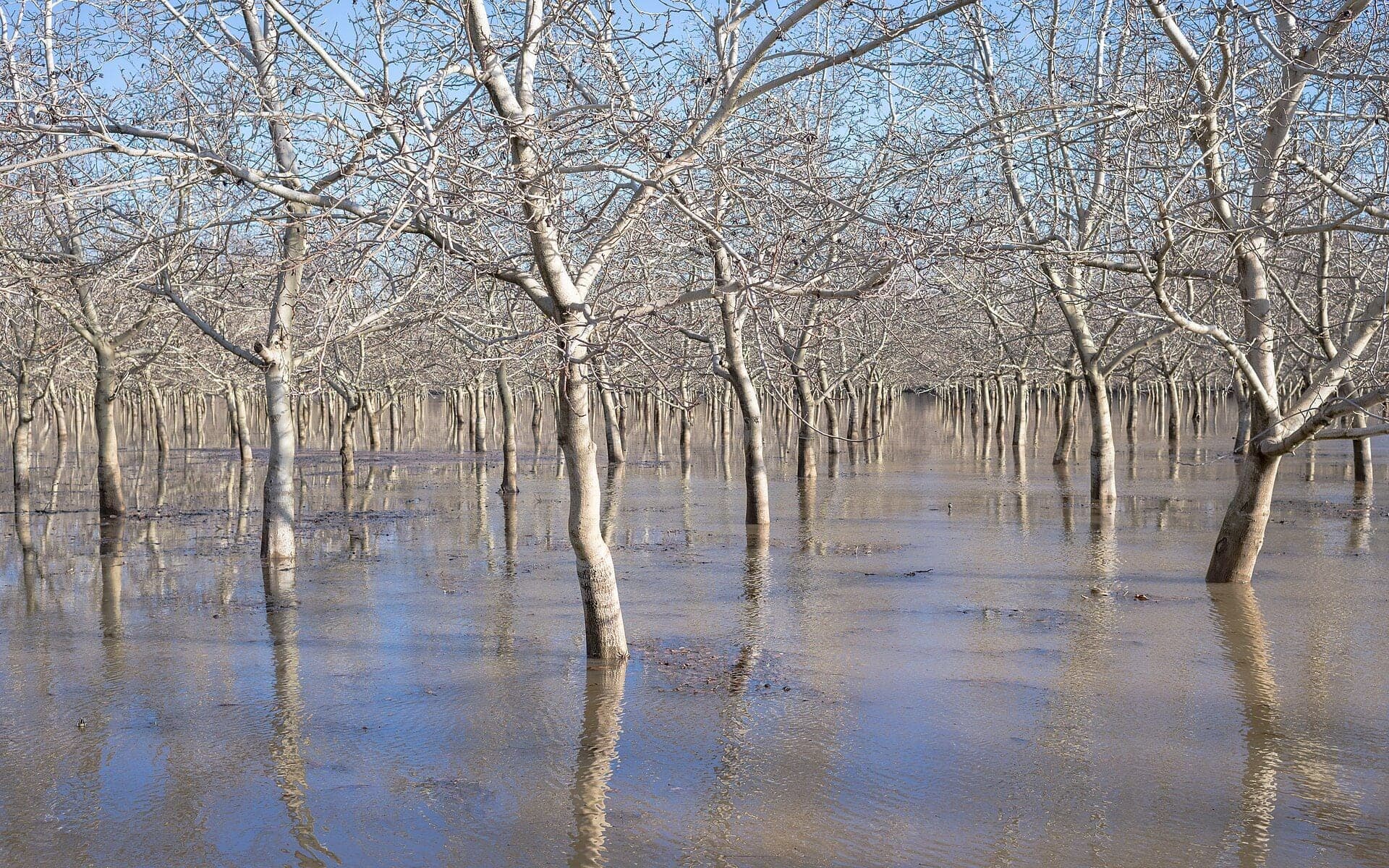
Observed fact: Governor Gavin Newsom proclaimed a state of emergency on September 21, 2026, to mobilize state resources ahead of an El Niño that state officials say is strengthening.
Source claim: Federal forecasters cited in the proclamation put the chance of a very strong El Niño this fall and winter at greater than 90%; they estimated a 75% chance it could reach historic strength. A recent study in Science cited by the release found El Niño events are now more than 36% stronger than before the industrial era.
Source claim: The proclamation directs state agencies to streamline procurement and deploy resources now; actions listed include staging flood‑fighting supplies such as sandbags and pumps, pre‑positioning Caltrans traffic‑control, road‑closure and snow‑removal equipment, and preparing the California National Guard to support flood response, search‑and‑rescue, engineering and logistics missions.
Source claim: The proclamation also directs state environmental and natural resources agencies to fast‑track permitting to support local flood, landslide and debris‑flow preparations, and it orders Cal OES to expand accessible, multilingual public preparedness communications.
Quotation (source): Governor Newsom, as quoted in the release, said, "California is strongest when we look out for one another. That is what this action is about. Giving communities the support they need, giving first responders the tools to do their jobs, and giving families the confidence that their state is ready."
Quotation (source): Cal OES Director Caroline Thomas Jacobs said, "We are not waiting for this season’s storms to be on our doorstep," and described advance planning to identify needs before impacts occur.
Practical consequence: Pre‑staging equipment and cutting procurement red tape can shorten response times and make local evacuations and road closures faster to execute; however, these actions do not affect storm frequency or intensity.
Uncertainty and limits: The release notes El Niño raises the risk of heavy rain, snow, flooding, landslides, debris flows and coastal flooding; it also cautions that El Niño does not guarantee a wet winter and that specific local impacts remain unpredictable. That distinction comes from the same state release and from the cited forecasters and study information; it remains the principal uncertainty for planning at the household and local level. (Analysis) Inference: Early mobilization increases the odds that critical equipment and personnel will be available at key locations if storms make landfall; it cannot prevent infrastructure damage or guarantee every community will avoid impacts, especially in wildfire‑scarred or flood‑prone areas where localized hazards can intensify rapidly under heavy rain conditions. (Recommendation from source) Residents should sign up for local emergency alerts, know their flood risk, clear drains and gutters, prepare an evacuation plan and an emergency kit, and avoid driving through floodwater; these steps are listed in the Cal OES release as immediate, practical actions individuals can take now to reduce risk. (Observed fact) The proclamation also includes states of emergency to support recovery for prior storms in Glenn, Humboldt, Kern, Mendocino and Santa Barbara Counties and for a major sewage spill in Lake County; it terminates 34 older declared emergencies that state officials say are no longer necessary.
Sources & methodology
This report was written from the primary materials below. Links open at the original publisher.
California Governor’s Office of Emergency ServicesSee something we should correct? Read our corrections policy.