
A federal judge in Massachusetts on Oct. 29 ruled that the Trump administration's definition of “medical frailty” in its rules for new Medicaid work requirements is contrary to law, California Attorney General 's office said.
The U.S. District Court for the District of Massachusetts vacated the definition, issued a permanent injunction and granted the plaintiff states a six-month stay of enforcement to accommodate any errors or delays caused by the needed changes, the office said. Bonta and a multistate coalition sued in June 2026, challenging parts of an interim final rule from the Centers for Medicare & Medicaid Services that adopted a new interpretation of terms like “medically frail,” making it harder for medically vulnerable people to be excused from the work requirements in the Big Beautiful Bill Act.
“Today’s decision is a major victory that ensures that some of our most vulnerable residents are able to continue to access the healthcare they deserve,” Bonta said. “People with serious illnesses or disabilities should not have to worry about losing their healthcare because of work requirements or related barriers.”
The states argued that the rule also made other changes that increase administrative burdens and put eligible people at risk of losing coverage, including people who already work or qualify for an exemption. Congress created exemptions from Medicaid's work requirements to protect people with serious illnesses and disabilities, the office said.
Medicaid, called Medi-Cal in California, is jointly funded by states and the federal government. The office said past Medicaid work requirement programs have shown that added red tape causes eligible people to lose coverage, straining state programs, safety-net providers and emergency rooms.
State
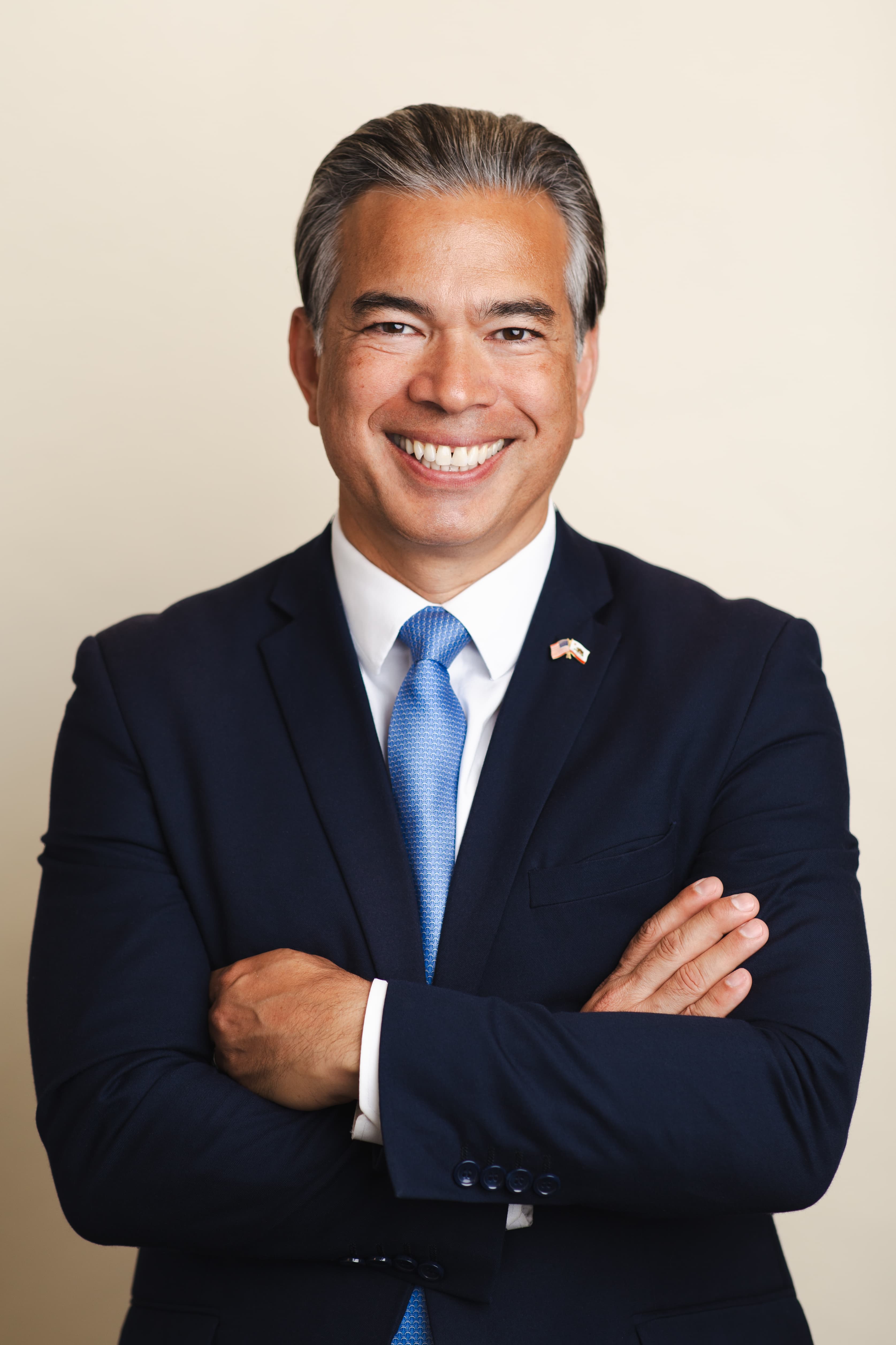
Rob Bonta
Attorney General · Democrat
Named 2 times in this story.
Portrait: Official portrait
Sources & methodology
This report was written from the primary materials below. Links open at the original publisher.
California Attorney GeneralSee something we should correct? Read our corrections policy.