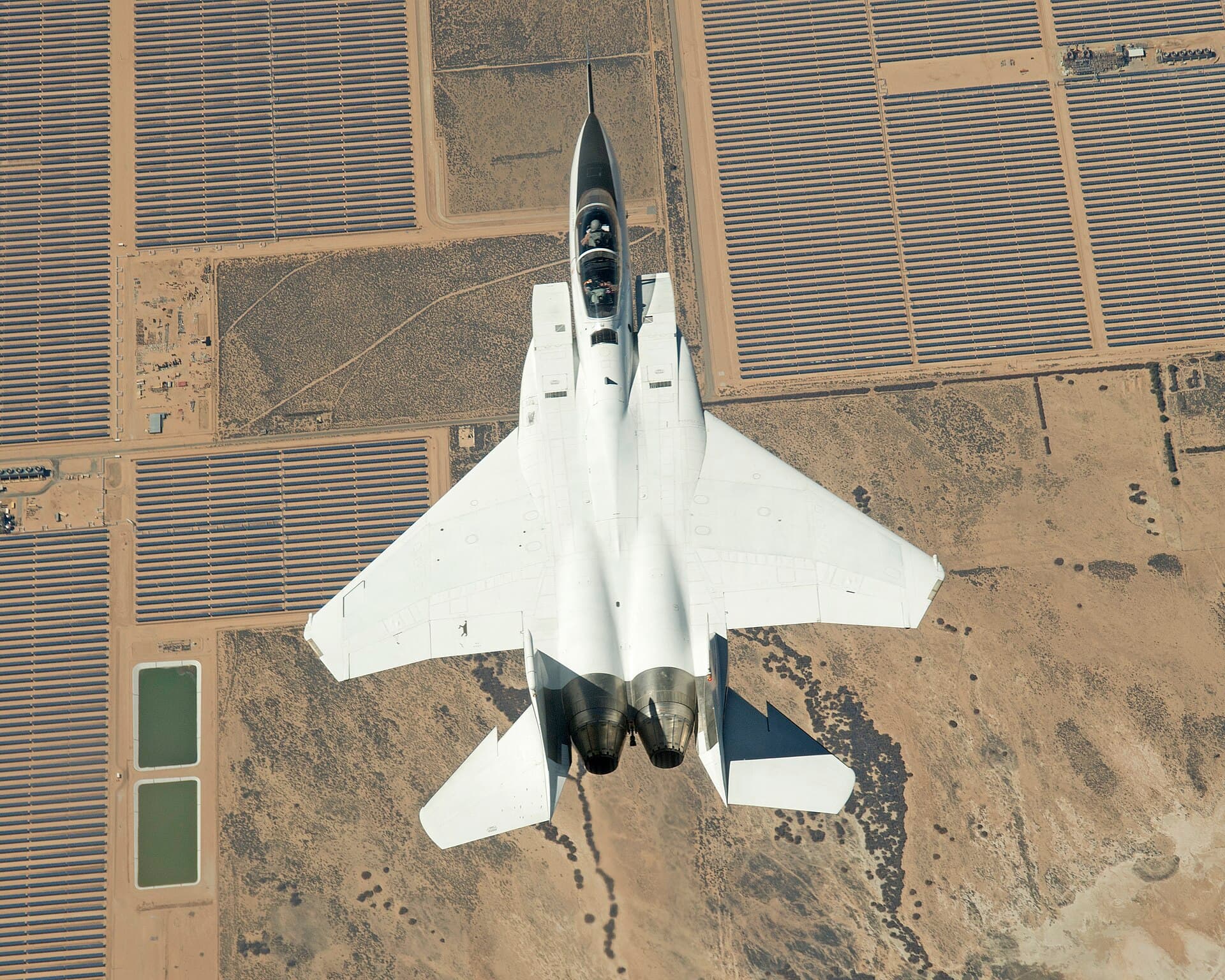
NASA Administrator has named Troy Asher director of the agency’s Armstrong Flight Research Center in Edwards, California.
"Troy has spent his career pushing the boundaries of flight, both at the controls of experimental aircraft and leading the teams that make these missions possible," Isaacman said; the administrator added that Asher’s experience will be "invaluable as Armstrong leads the way in rebuilding NASA’s X‑plane portfolio, restoring our flight‑test capabilities, and flying higher, farther, and faster than we have in decades."
“Flight testing demands a rare combination of technical excellence, operational judgment, and trust in the teams that make every mission possible,” said NASA Associate Administrator and Chief Engineer Amit Kshatriya.
Asher will oversee Armstrong’s workforce and operations, directing flight research, aircraft operations, and development of new aviation technologies; NASA describes Armstrong as the agency’s Flight Test and Aircraft Operations Center of Excellence and says the center will play a central role in rebuilding and expanding the X‑plane portfolio.
Before serving as acting center director, Asher was director of Flight Operations at Armstrong, where he managed pilots, engineers, maintainers, and a fleet of specialized aircraft that support aeronautics research and airborne science missions around the world. He joined NASA in 2008 as a research test pilot and aerospace engineer and has flown aircraft including the F‑15, F/A‑18, Gulfstream III and X‑56A unmanned aircraft system; he served as lead test pilot for development of the Stratospheric Observatory for Infrared Astronomy and flew scientific missions aboard the agency’s DC‑8 aircraft.
Asher retired as a lieutenant colonel after a 24‑year career in the U.S. Air Force; his military assignments included instructor at the U.S. Air Force Test Pilot School at Edwards Air Force Base, commander of the 419th Flight Test Squadron, and director of the Bomber Combined Test Force. In 2003 he set 25 world speed records flying the B‑1B bomber.
Asher earned a bachelor’s degree in astronautical engineering from the U.S. Air Force Academy and a master’s degree in mechanical engineering from California State University, Fresno. He succeeds Bradley Flick, who retired in March after nearly 40 years of NASA service.
Armstrong was established in 1946 and, NASA says, has been at the forefront of American flight research for eight decades, from the Bell X‑1 to current work on quiet supersonic flight with the X‑59.
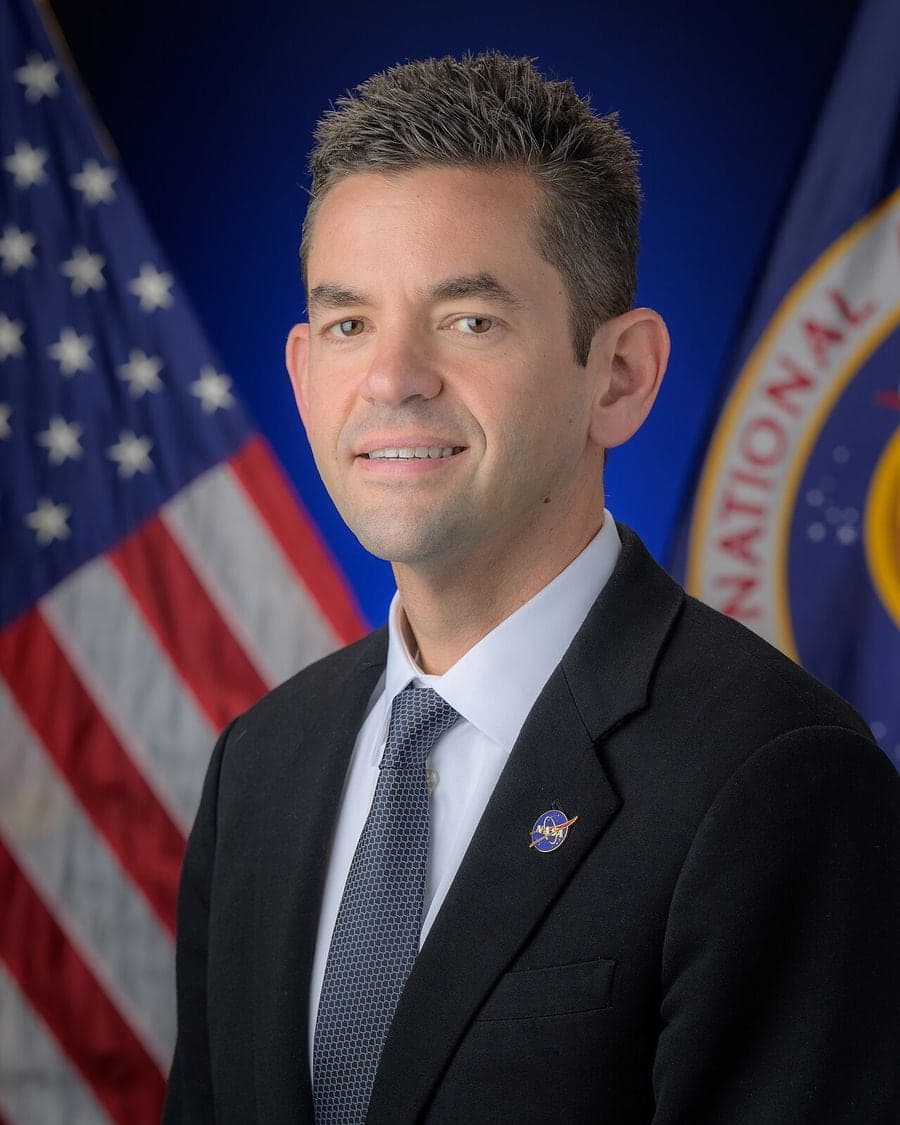
Federal
Jared Isaacman
Administrator, NASA
Named 2 times in this story.
Portrait: Bill Ingalls / NASA via Wikimedia Commons (public domain)
Sources & methodology
This report was written from the primary materials below. Links open at the original publisher.
NASASee something we should correct? Read our corrections policy.