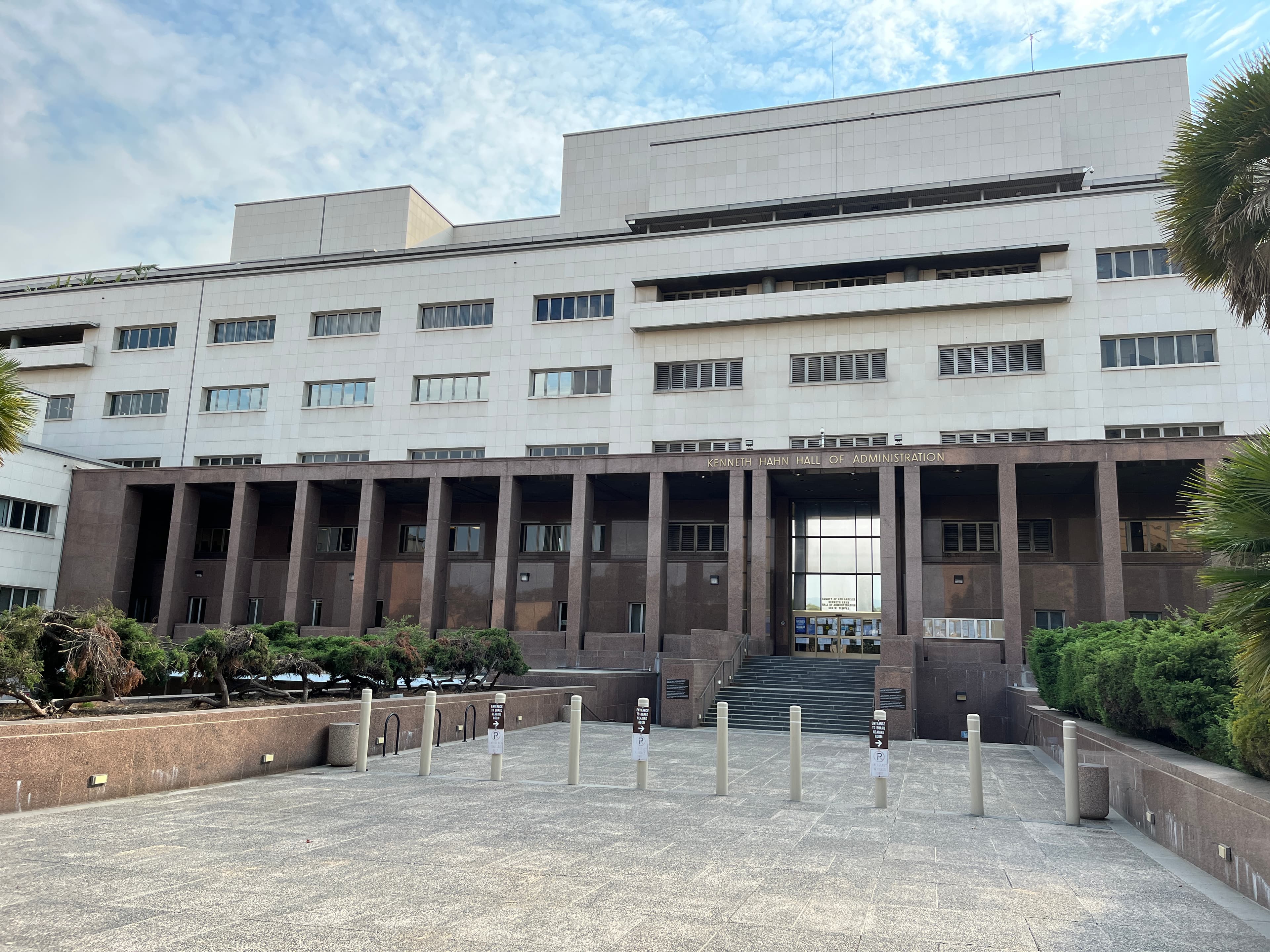
The Los Angeles County Department of Public Health said the County Medical Examiner identified the synthetic opioid cychlorphine as the cause of a death that occurred in February 2026; Public Health called it the first confirmation of cychlorphine in the county’s illicit drug supply.
Cychlorphine is an opioid more potent than fentanyl and can cause respiratory depression and death; the county said it has been seen in powders, counterfeit tablets, rocks or crystals, and liquids and has been present in the U.S. illicit supply since 2024, detected in 19 states.
The drug is currently undetectable by fentanyl testing strips and is being mixed into the illicit supply without users knowing; Public Health said a very small amount can cause someone to stop breathing and that the risk of death rises when opioids are used with alcohol, sedatives, prescription drugs or other street drugs.
The DEA classified cychlorphine as a Schedule I drug in August 2026 and it has never been approved by the U.S. Food and Drug Administration for medical use; Public Health noted another cychlorphine-caused death was reported in Northern California in April 2026.
Public Health urged residents to avoid using illicit substances; for people who do use, the county recommended not using alone, starting low and going slow, not mixing drugs, and carrying naloxone.
Naloxone nasal spray is available at Community Health Stations, Public Health Centers, retail pharmacies and through medical providers; the county said both nasal spray and intramuscular injection are equally effective and that multiple doses may be necessary in an emergency.
Drug samples can be tested for cychlorphine in about 15-20 minutes for free through https://www.drugcheckingla.com; for treatment and bed availability the county provided SUDHelpLA.org, RecoverLA.org and the Substance Abuse Service Helpline at 800-854-7771, and Poison Control at 1-800-222-1222.
Public Health said it is monitoring changes in the prevalence of cychlorphine in Los Angeles County’s illicit drug supply and urged residents to use the county resources for prevention, testing and treatment.
Sources & methodology
This report was written from the primary materials below. Links open at the original publisher.
County of Los AngelesSee something we should correct? Read our corrections policy.